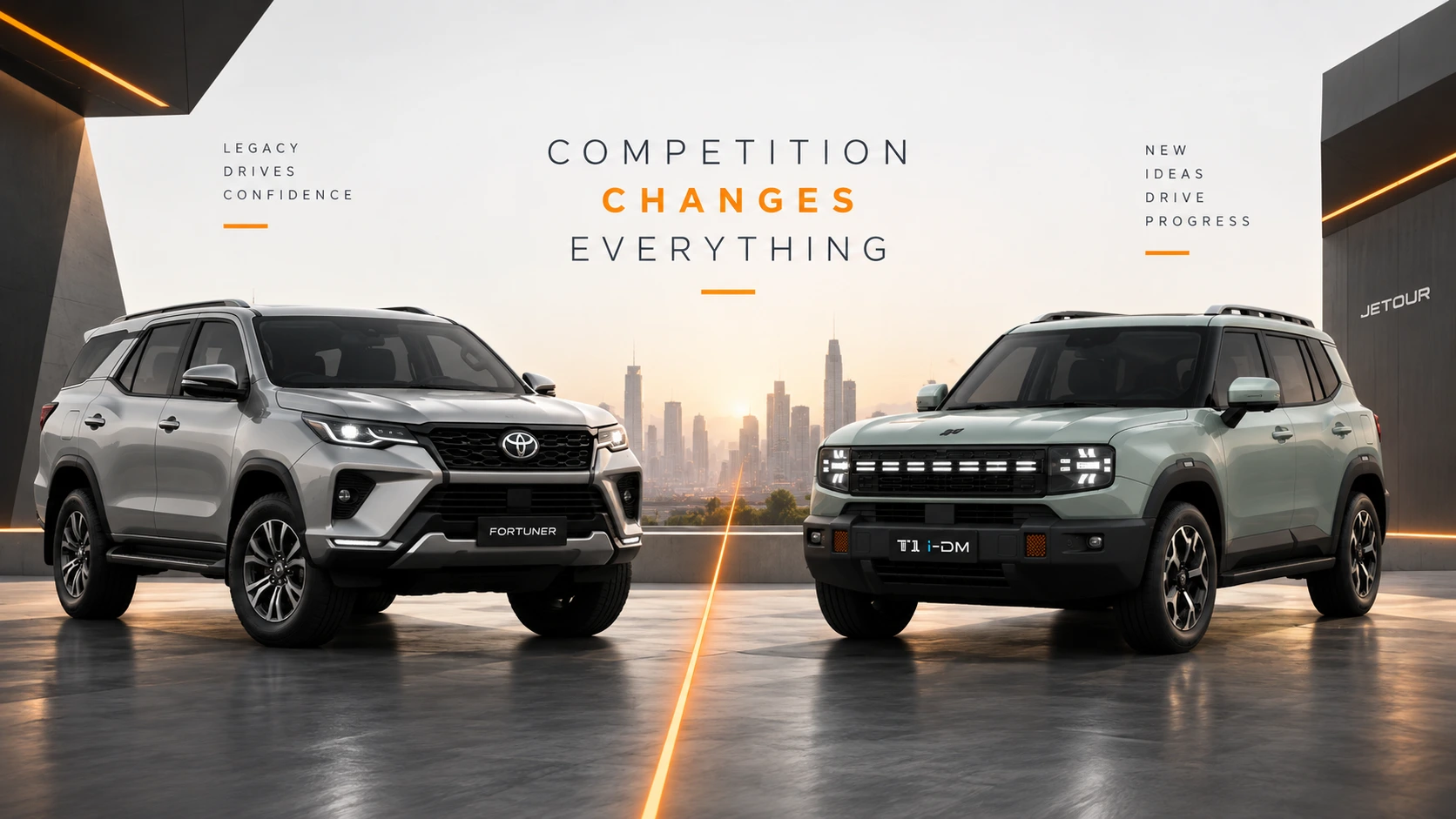
Walk into a Philippine auto show today and the change is impossible to miss.Names that many Filipino motorists barely knew several years ago are now displayed alongside and increasingly competing directly against brands that have been part of Philippine roads for generations.
- BYD.
- Geely.
- Jetour.
- MG.
- Chery.
- GAC.
- Changan.
- GWM.
- Omoda & Jaecoo.
- BAIC.
And more continue to arrive. The transformation was particularly obvious at the 2026 Manila International Auto Show. Nearly every automotive brand exhibiting on the main floor was Chinese, with Kia being the notable non-Chinese participant. Some people see this rapid expansion and immediately ask whether there are now too many Chinese car brands in the Philippines. I look at it differently. I think stronger Chinese competition could be one of the best things to happen to Filipino car buyers in years. Not because every Chinese vehicle is automatically good. Not because established Japanese, Korean, American or European brands suddenly became bad. But because competition forces everyone to improve.
The Philippine Car Market Is Changing Fast
For decades, Filipino buyers have understandably gravitated toward familiar brands. Toyota, Mitsubishi, Nissan, Honda, Isuzu and other established manufacturers built their reputations through years of local presence, dealership networks, parts availability and vehicles that proved themselves on Philippine roads.
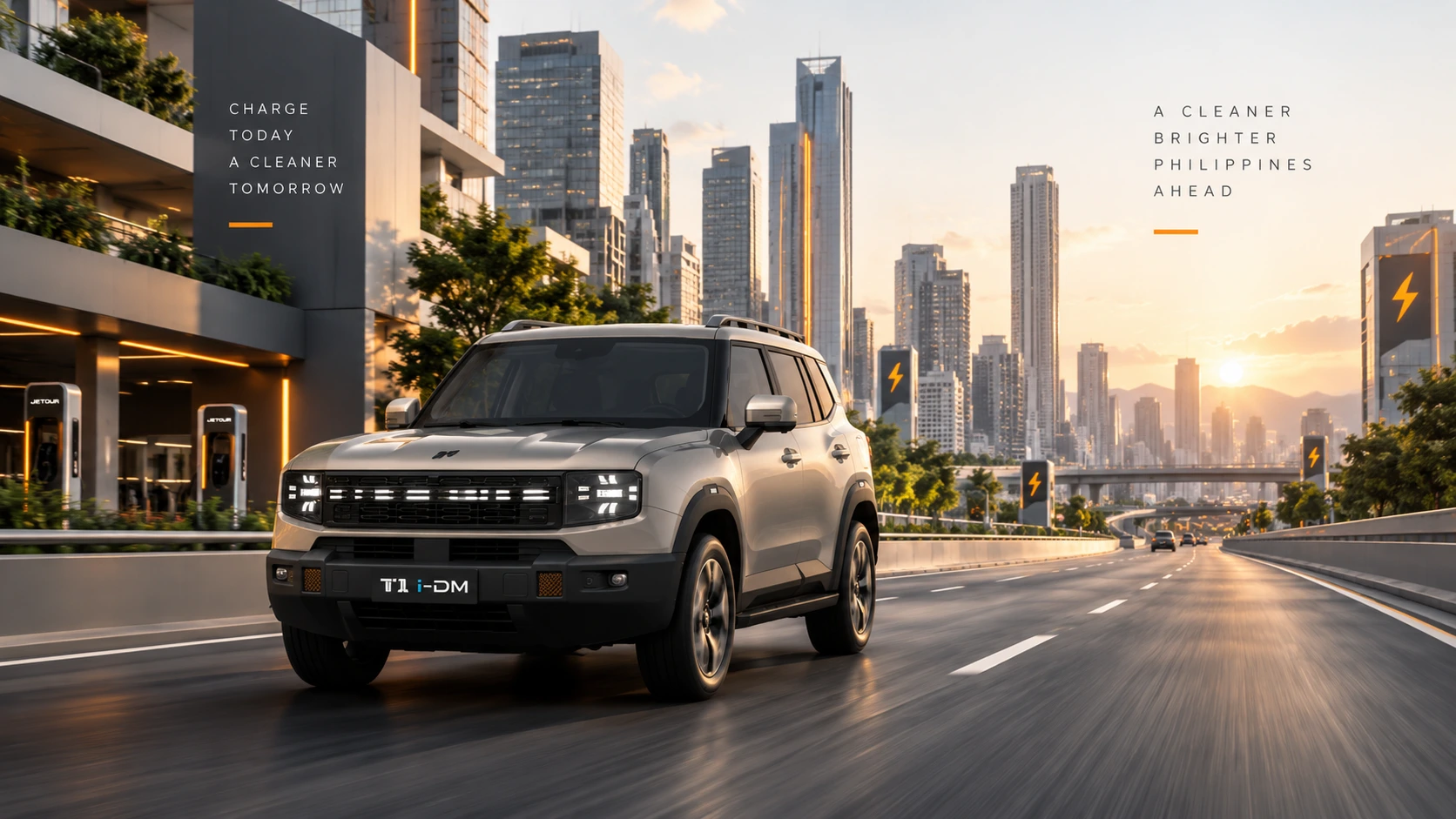
That trust wasn't created by advertising alone. It was earned. Chinese manufacturers therefore entered the Philippines with something to prove. And instead of trying to compete purely through brand recognition, many attacked the market through something much easier for consumers to understand value.
- Large infotainment displays.
- 360-degree cameras.
- Advanced driver-assistance systems.
- Leather or premium-looking interiors.
- Turbocharged engines.
- Hybrid systems.
- Plug-in hybrids.
- Battery-electric vehicles.
Features that were once associated with expensive vehicles increasingly began appearing at more accessible prices. Suddenly, buyers had more to compare.
The Specification Sheet Became a Battleground
This is perhaps the most visible effect Chinese manufacturers have had on the market. Look at vehicles competing around the same price and the equipment differences can sometimes be dramatic. A buyer who previously asked only: “Which brand should I buy?” may now ask: “What am I actually getting for my money?” That's an important change. Consumers begin comparing safety systems, cameras, screens, powertrains, charging capability, battery warranties and cabin technology. And once buyers become accustomed to receiving those features, competing manufacturers have to respond. That's how competition works. The benchmark moves.
Electrification Accelerated the Change
Chinese manufacturers didn't create electric vehicles or hybrids. But they have helped accelerate their availability in the Philippines. BYD is perhaps the clearest example. The company says it sold 28,399 vehicles from January through August 2026, up 99% year over year and already exceeding its entire 2025 sales volume. Of those vehicles, 22,555 were DM-i plug-in hybrids, while 5,844 were fully electric.
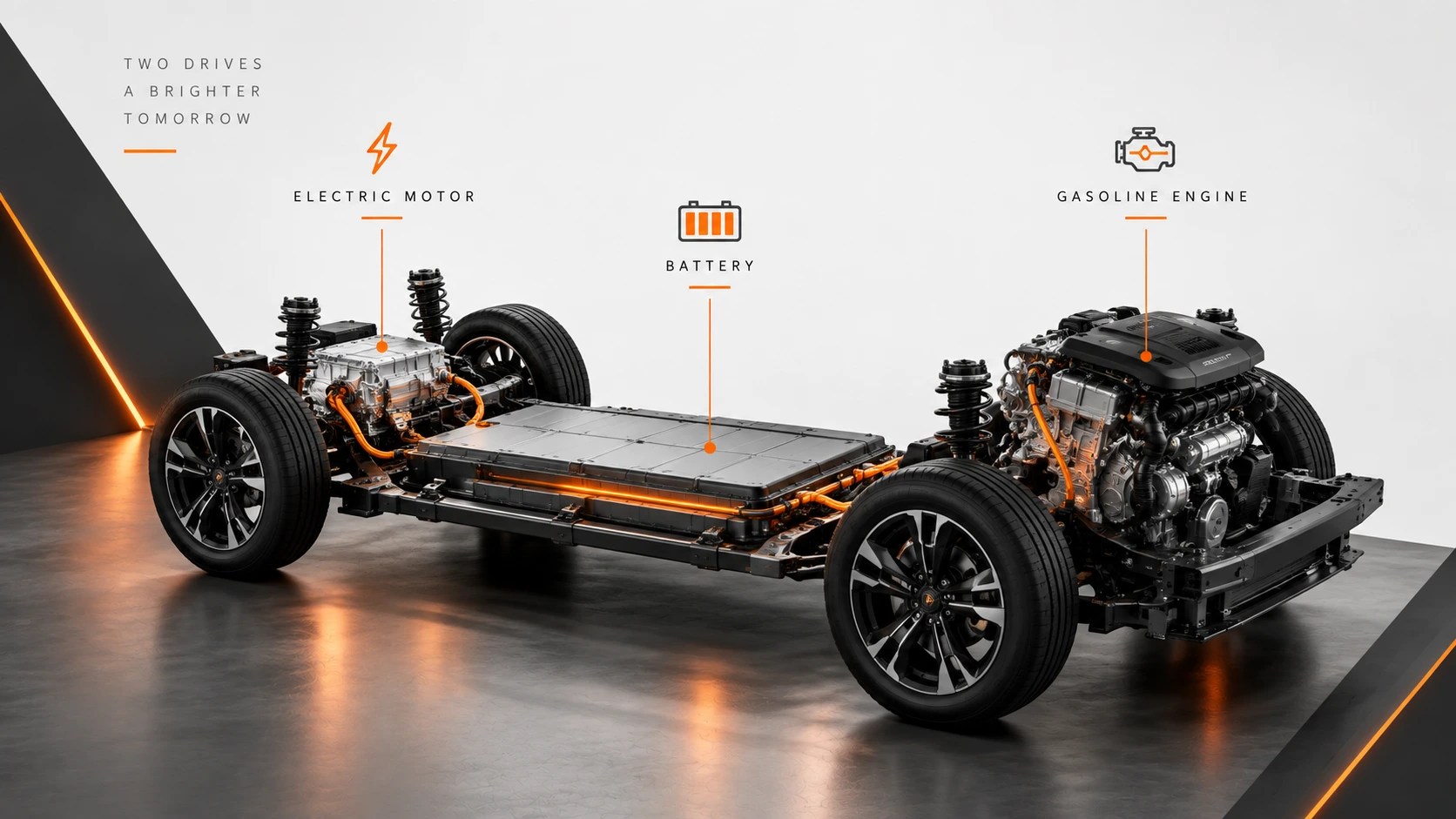
But BYD isn't alone. Among CAMPI members, Jetour sold 1,891 PHEVs during the first half of 2026, making it the organization's leading PHEV brand during that period. Geely followed with 1,270. The broader trend is even more interesting. Philippine sales of hybrids, plug-in hybrids and battery EVs reached 31,381 units during the first half of 2026, an increase of 132.7% from the same period in 2025. Consumers aren't simply being offered more brands. They're being offered completely different powertrain choices.
More Competition Means More Pressure on Established Brands
This is where I think the story becomes good for consumers. Imagine you're an established manufacturer selling a crossover for ₱1.8 million. Then another manufacturer introduces a similarly sized vehicle at roughly the same price with a larger display, panoramic camera, more driver-assistance technology, an electrified powertrain and a long equipment list.
- You have several choices.
- You can ignore it.
- You can lower your price.
- You can increase standard equipment.
- You can introduce a better powertrain.
- You can improve your warranty.
- Or you can develop a better next-generation product.
The stronger the challenger becomes, the harder it becomes to choose the first option. That competitive pressure benefits buyers regardless of which brand eventually gets their money.
But More Features Don't Automatically Mean a Better Car
This is where I think the conversation about Chinese vehicles sometimes becomes too simplistic. A specification sheet isn't an ownership experience. A vehicle can have three screens, massage seats, dozens of driver-assistance features and impressive horsepower figures and still have weaknesses.
- Reliability matters.
- Parts availability matters.
- Dealer competence matters.
- Insurance availability matters.
- Repair costs matter.
- Resale value matters.
- Software support matters.
Battery replacement costs matter for electrified vehicles. And perhaps most importantly, what happens five or ten years after the vehicle was purchased matters. These are areas where established manufacturers have a major advantage. They have decades of Philippine ownership history that consumers can examine. Some newer brands don't. That's not necessarily a reason to avoid them. It simply means buyers should evaluate them differently.
The Real Test Starts After the Warranty Begins
Launching a car is relatively easy compared with supporting thousands of them for years.
- A beautiful showroom can be constructed.
- An impressive launch event can be organized.
- An introductory price can attract attention.
But what happens when a vehicle needs a replacement component four years later?
- How quickly can the dealer obtain it?
- What happens when the infotainment system needs a software update?
- Will the company still support that model?
- What happens to resale value?
- And what happens if the distributor changes?
These questions become increasingly important as more unfamiliar brands enter the Philippines. For me, this will separate the Chinese manufacturers that become permanent parts of the Philippine automotive landscape from those that simply enjoy a few years of attention.
Dealer Networks Matter More Than People Think
One encouraging sign is that several Chinese manufacturers aren't treating the Philippines simply as an export destination. They're building physical networks. BYD, for example, says its Philippine network has reached 81 dealerships nationwide. Other Chinese brands are also expanding their dealer footprints.
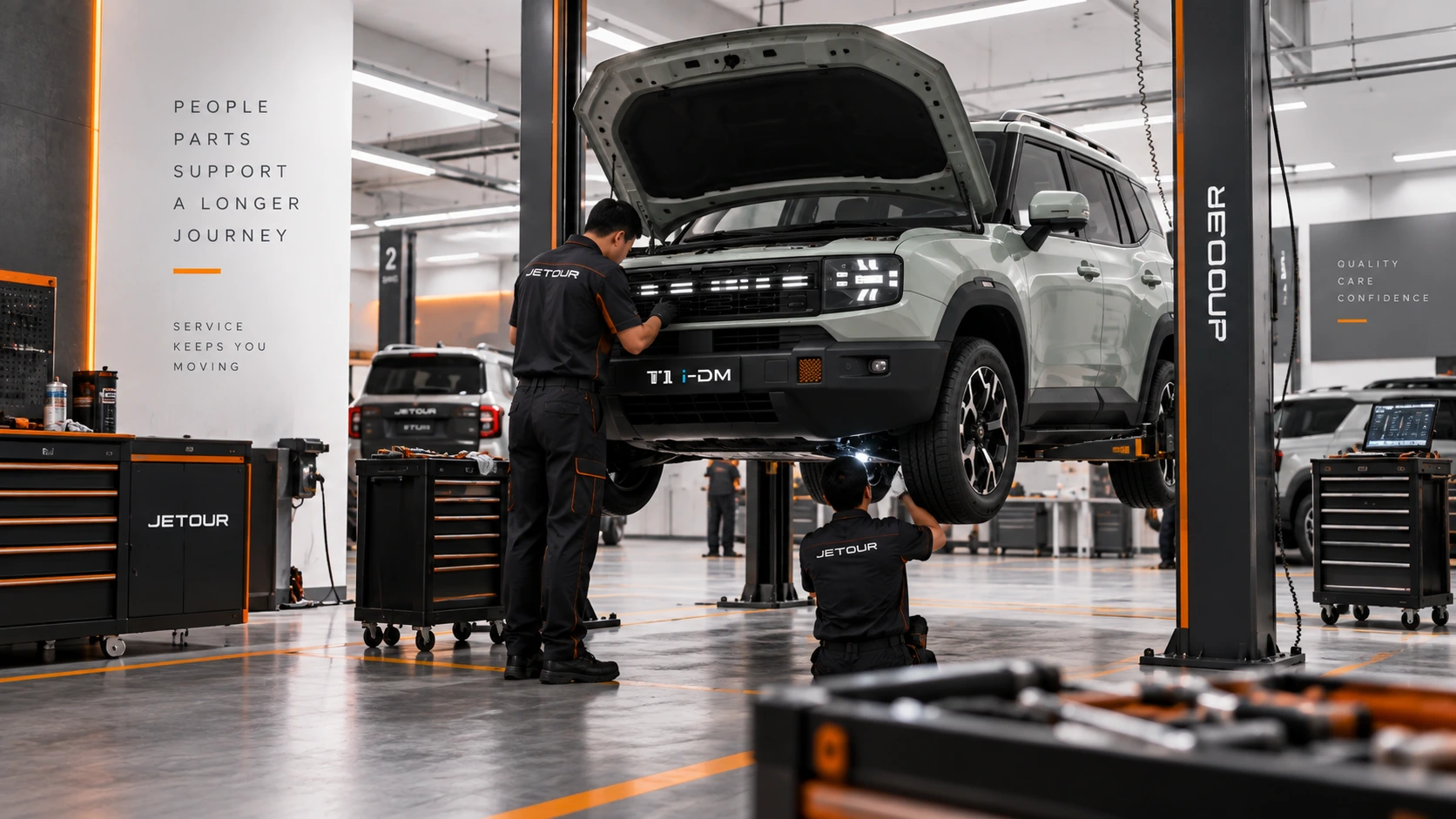
That's important. A car company isn't just a company that sells cars. It's also a parts network, technician-training organization, warranty provider and long-term support system. The brands that understand this will have a much better chance of earning long-term trust.
Chinese Brands Are Also Competing With Each Other
There's another interesting side to this story. Chinese manufacturers aren't simply competing against Toyota, Mitsubishi, Ford, Honda or Hyundai. They're competing intensely with one another. BYD wants the electrified buyer. Geely wants that buyer too. So do Jetour, MG, Chery, Omoda & Jaecoo, GAC, Changan and others. That creates competition inside the competition. If one manufacturer introduces a PHEV with better electric range, another can respond. If one offers faster charging, competitors notice. If one provides a longer warranty, consumers begin asking why others don't. If one lowers its price, suddenly everyone in that segment has a problem. For consumers, that's healthy.
Traditional Brands Still Have Powerful Advantages
None of this means established manufacturers are about to disappear. Toyota remains extraordinarily dominant in the Philippines. During the first half of 2026, Toyota sold 100,909 vehicles, accounting for nearly half of the market represented in the available industry data. Mitsubishi followed with 36,321 units. That's an enormous advantage. And established manufacturers possess something newcomers can't manufacture overnight: trust accumulated over decades. Filipino families know these vehicles. Mechanics know them. Parts suppliers know them. Banks understand their resale values. The secondhand market understands them. A ten-year-old Toyota or Mitsubishi doesn't need an introduction. A ten-year-old model from some of today's newest brands remains an unanswered question. That matters.
But Reputation Shouldn't Become Immunity From Competition
At the same time, consumers shouldn't buy a vehicle purely because their family has always purchased the same badge. Brand reputation should matter. It just shouldn't be the only consideration. If a newcomer offers a genuinely better product at a competitive price, established manufacturers should have to respond. Likewise, Chinese manufacturers shouldn't expect buyers to overlook questionable after-sales support simply because their vehicles have impressive specifications. Both sides should have to earn the sale. That's the market I want Filipino consumers to have.
The Winner Doesn't Have to Be a Chinese Brand
When I say Chinese competition is good for the Philippine market, I'm not saying Chinese brands need to dominate it. The winner could still be Toyota. It could be Mitsubishi. It could be Honda, Ford, Hyundai, Nissan, Kia or another established manufacturer. That's not the point. The real winner should be the Filipino buyer. If Chinese competition forces established manufacturers to add more safety equipment, improve technology, accelerate electrification or offer better pricing, consumers benefit. If the strength of established brands forces Chinese manufacturers to improve parts supply, dealerships, warranties, resale support and long-term reliability, consumers benefit again. Competition works in both directions.
Price Alone Won't Be Enough Forever
Chinese automakers have gained attention partly because of aggressive pricing and equipment. But I don't think that alone will guarantee long-term success. Eventually, the conversation changes from:
- “Look how much you get for ₱1.5 million.”
to:
- “How is that car doing after five years?”
That's when reputation begins to form. The brands that deliver reliable vehicles, maintain parts inventories, honor warranties and support customers will become established brands themselves. Those that don't may disappear regardless of how impressive their original specification sheets looked. Time is the test they cannot accelerate. I think Filipino consumers should avoid two extremes. The first is assuming a vehicle is bad simply because it comes from China. The second is assuming a vehicle is good simply because it offers an incredible specification sheet for the price.
Neither is particularly useful.
- Judge the vehicle.
- Drive it.
- Research the company behind it.
- Look at its warranty.
- Visit the dealership.
- Ask about parts.
- Check insurance.
- Understand the battery warranty if it's electrified.
- Consider resale value.
- Look at how long the distributor has been operating.
- And compare it with everything else available for the same money.
Country of origin can be part of that evaluation. It shouldn't replace it.
My View
Chinese automakers are changing the Philippine automotive market. And I think that's a good thing. They're challenging assumptions about how much technology should be available at a certain price. They're accelerating the introduction of EVs and plug-in hybrids. They're giving consumers alternatives. And they're forcing competitors to pay attention. But now comes the harder part.
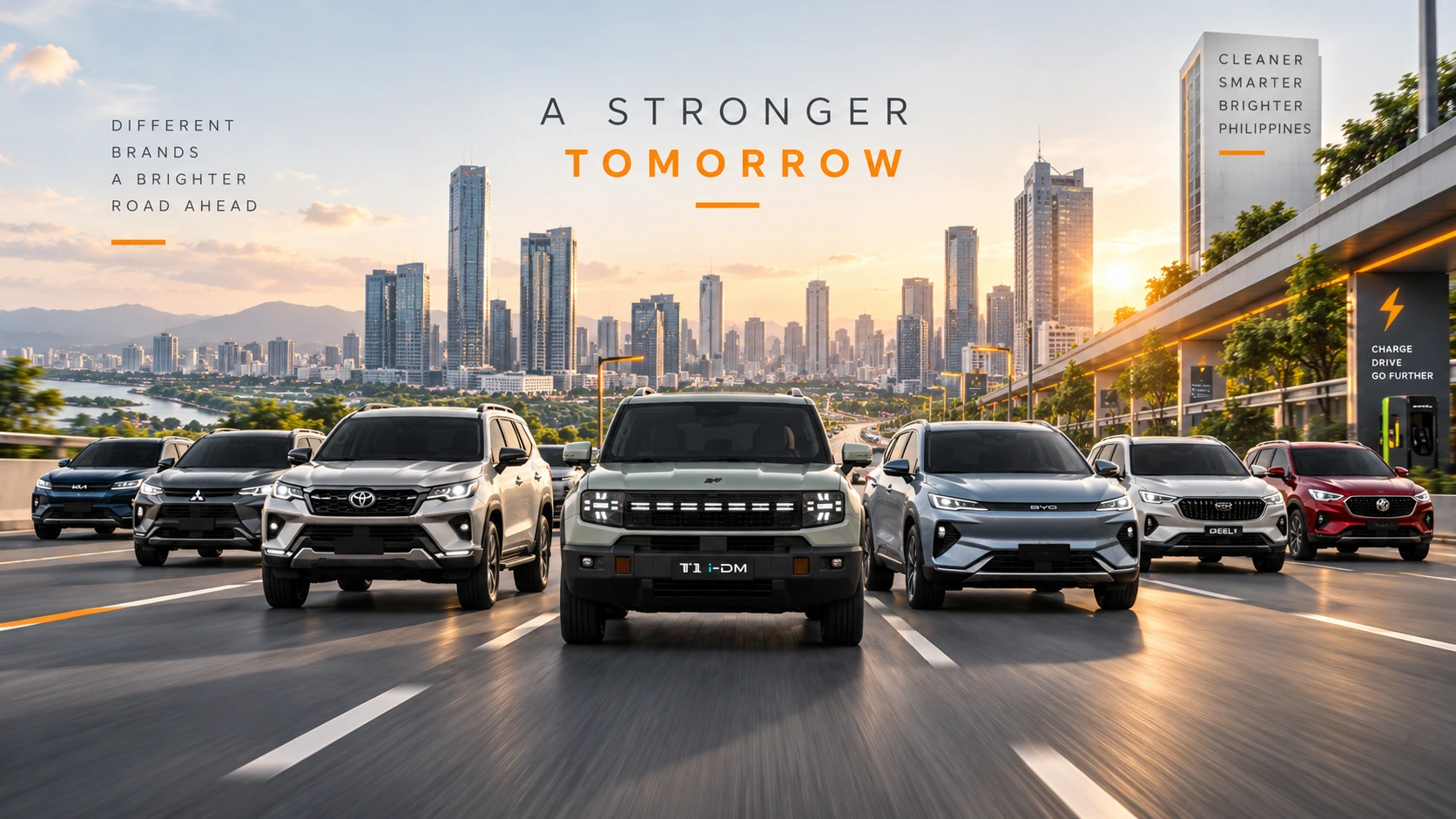
Chinese manufacturers have demonstrated that they can build attractive, technology-packed vehicles at competitive prices. The next challenge is proving that they can support those vehicles for many years on Philippine roads. That's where long-term trust will be won. For established manufacturers, the message should also be clear. A strong reputation remains enormously valuable but reputation shouldn't become an excuse to stop improving. Filipino buyers now have more choices than ever. That means every manufacturer, regardless of where it comes from, has to work harder for our money. And that's exactly why competition is good.
Comments
No comments yet. Be the first to join the discussion.