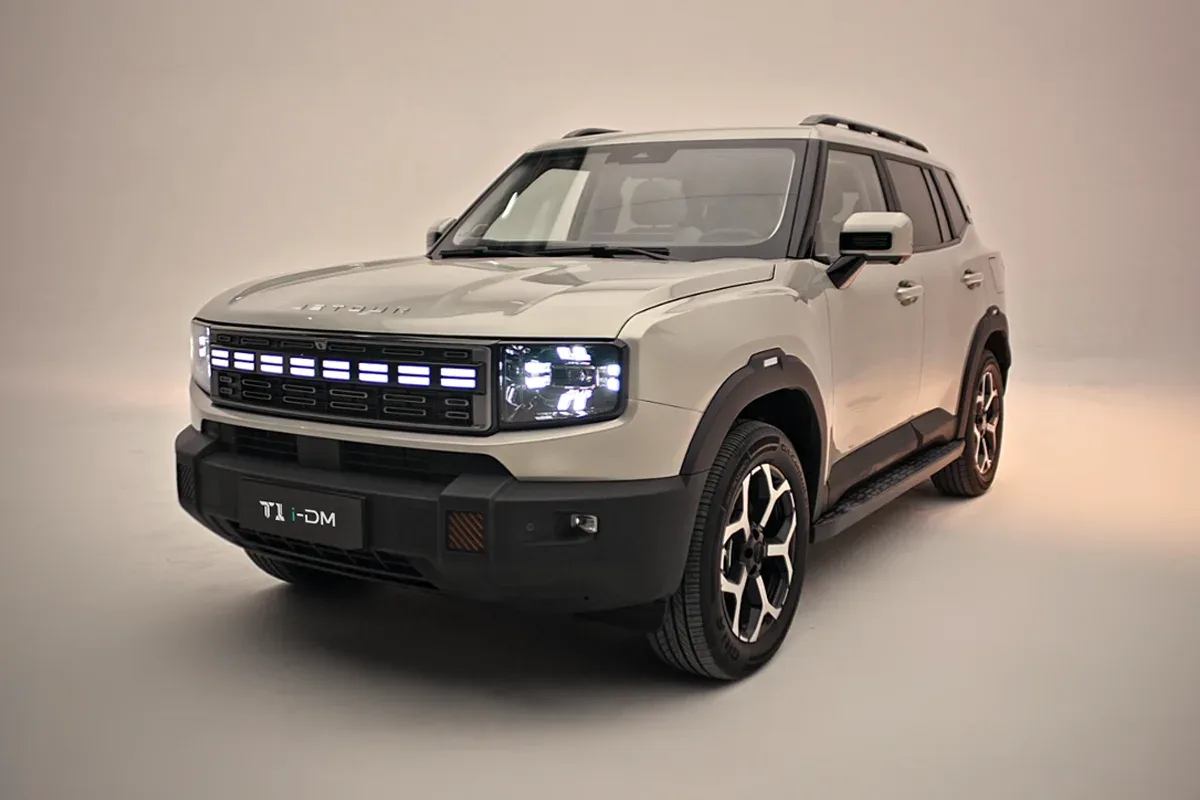
Electric vehicles are becoming increasingly difficult to ignore in the Philippines. Every few months, another manufacturer introduces a new battery-electric vehicle, plug-in hybrid or electrified SUV. Charging stations are appearing in more locations, battery technology continues to improve, and buyers now have considerably more choices than they did only a few years ago. But if you asked me whether every Filipino car buyer should immediately switch to a fully electric vehicle, my answer would still be: not necessarily.
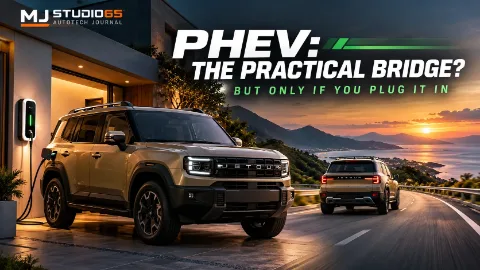
For many drivers, I believe the more practical transition may be a plug-in hybrid electric vehicle, or PHEV. A PHEV allows you to experience much of what makes an EV appealing quiet electric driving, instant torque, regenerative braking and the ability to charge at home while keeping a gasoline engine available when the battery becomes low or a long journey takes you beyond convenient charging infrastructure. In the Philippine setting, that combination makes a lot of sense. But there is an important condition. A plug-in hybrid only makes sense if you actually plug it in.
The Philippine EV Transition Is Happening
Electrification is no longer something we can describe as a distant future. Electric and electrified vehicles are already becoming part of the Philippine automotive market. BYD's recent sales performance provides an interesting example. The company reported selling 28,399 vehicles in the Philippines from January through August 2026. Of those, 22,555 were DM-i plug-in hybrids. That's roughly four out of every five BYDs sold during the period. The BYD Sealion 6 DM-i alone recorded 7,759 sales, making it BYD's best-selling model in the country. I don't think those numbers mean Filipino buyers are rejecting full EVs. BYD's battery-electric sales are growing rapidly as well. Instead, they may be telling us something about what buyers currently find practical. Filipinos appear increasingly interested in electric driving but many still want the security and flexibility of a gasoline engine.
Why a PHEV Fits the Philippine Driving Environment
Consider how we actually use cars in the Philippines. On weekdays, many vehicles spend most of their time on relatively short trips: commuting to work, bringing children to school, going to the supermarket or traveling around the city. Those are exactly the kinds of journeys where a PHEV can spend much of its time operating electrically. Charge the battery at home overnight, drive the following day, then plug it in again when you return.
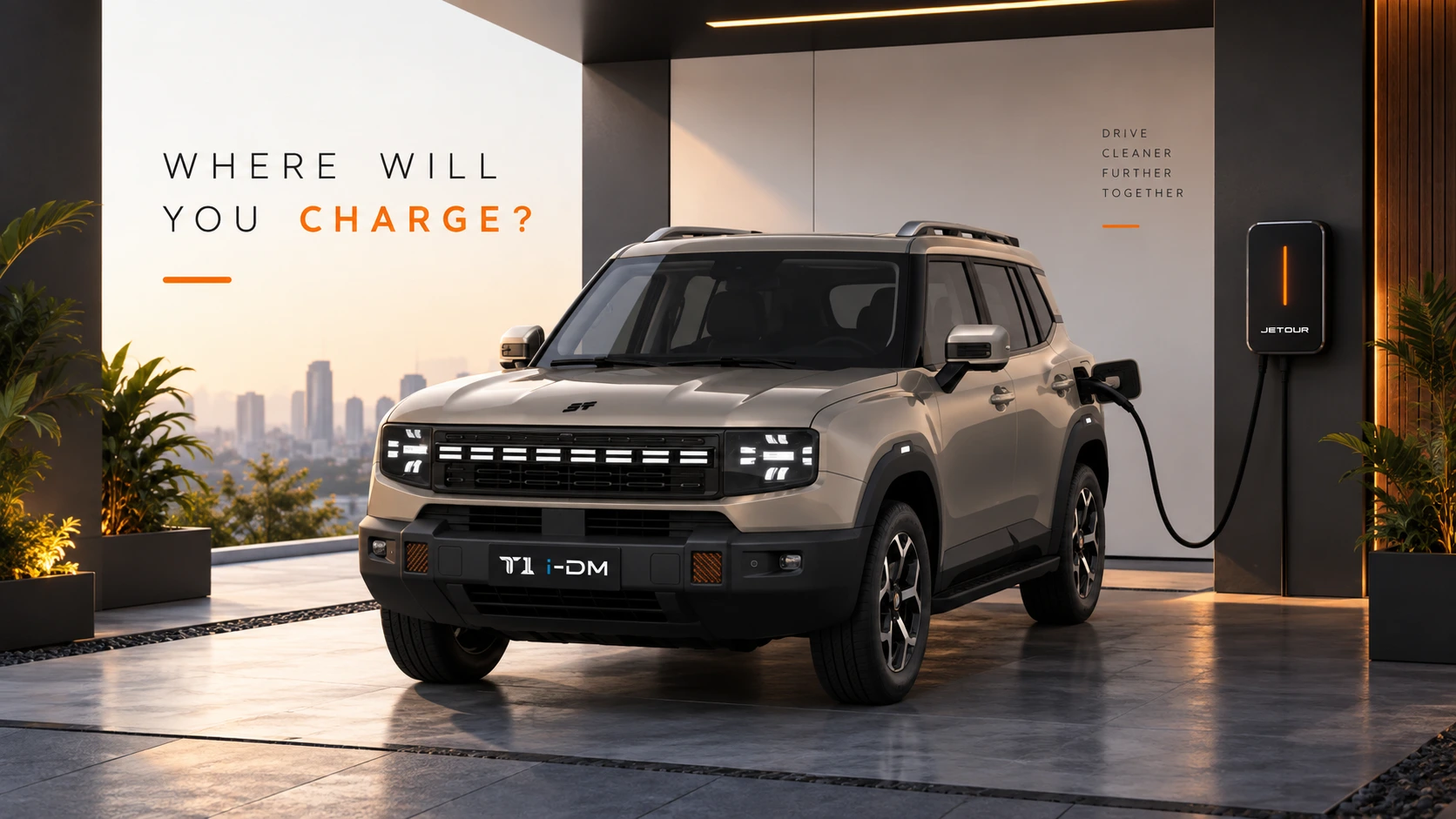
In that situation, the gasoline engine may remain unused for significant portions of everyday driving. Then the weekend arrives. Perhaps you're traveling from Metro Manila to Batangas, Baguio, Quezon or somewhere considerably farther away. You don't necessarily have to plan the journey around charging stations. When the battery becomes depleted, the hybrid system can continue operating using gasoline. That flexibility is one of the biggest reasons I think PHEVs currently make sense here.
Charging Infrastructure Is Improving but Location Still Matters
The Philippine charging network is expanding. That's encouraging, and it makes full EV ownership increasingly realistic for more people. But looking at a national number of charging points doesn't tell the entire story. What matters to an individual owner is whether a charger exists where and when they need it. Metro Manila and other major urban centers increasingly offer charging locations at malls, hotels, dealerships, offices and other establishments. Drive farther away from major population centers, however, and planning can become more important. This is gradually changing. But until charging becomes as predictable and widespread as conventional fuel stations, a PHEV offers an additional layer of flexibility for drivers who frequently travel outside well-served areas.
A PHEV Lets You Learn EV Ownership
There's another advantage that isn't captured by specification sheets. A plug-in hybrid can teach you how an EV fits into your life. You begin thinking about state of charge instead of only the fuel gauge. You learn when and where to charge. You become familiar with regenerative braking. You discover how air-conditioning, speed, traffic, terrain and driving style affect electrical consumption. Most importantly, you begin discovering how much electric range you actually need. Someone may initially believe they require a 600-kilometer battery-electric vehicle. After living with a PHEV, they might discover that 90 percent of their normal journeys are less than 50 kilometers. That knowledge can make the eventual transition to a full EV much easier.
Home Charging Changes Everything
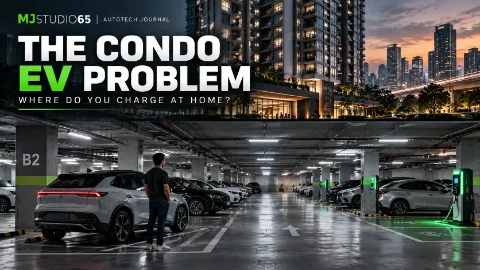
There's another part of the EV discussion that I think deserves much more attention. Where do you park your car at night? If you own a house with a garage and have suitable electrical service, charging an EV or PHEV at home can be remarkably convenient. You arrive home, plug the vehicle in and wake up with energy in the battery. In that situation, you may rarely need a public charger for ordinary daily driving. But the situation can be completely different for someone living in a condominium without an assigned charger, renting an apartment, or parking on the street. That's why I don't think EV suitability should be judged purely by vehicle range. A 500-kilometer EV isn't necessarily more convenient than a 100-kilometer electric-range PHEV if the PHEV owner can charge every night while the EV owner has nowhere convenient to plug in. Charging access matters as much as battery size.
But PHEVs Have a Major Weakness
For all their advantages, PHEVs aren't perfect. In fact, their greatest strength is also one of their weaknesses. They contain two propulsion systems. You have a battery, electric motor and high-voltage electronics. But you also have an internal-combustion engine, fuel system and many of the components associated with a conventional vehicle.
That means a PHEV doesn't completely eliminate the mechanical complexity of a gasoline-powered car. A full EV has no engine oil to replace, no spark plugs and no conventional engine exhaust system. A PHEV still has those combustion-related components. You're carrying an engine even when you're driving electrically, and you're carrying a relatively large battery even when the vehicle is relying heavily on gasoline. That is the compromise.
The Worst PHEV Is One That Is Never Plugged In
This is probably my biggest concern about plug-in hybrids. Buying a PHEV doesn't automatically make your driving efficient. You have to use it as intended. If an owner rarely or never charges the battery, the vehicle spends much of its life carrying additional battery and electrical hardware while depending heavily on its gasoline engine. At that point, some of the main reasons for choosing a plug-in hybrid begin to disappear. For me, the ideal PHEV routine is straightforward: Charge whenever practical. Use electricity for everyday driving. Let the gasoline engine handle the journeys where electric range isn't enough. If you're never going to plug it in, a conventional hybrid may make more sense.
PHEV or Full EV? It Depends on Your Life
This is why I don't believe there is one correct answer for every Filipino buyer. If you have reliable home charging, mostly drive predictable routes and rarely travel beyond the growing charging network, a full EV can already make excellent sense. You may not need a gasoline engine at all. If you have home charging but frequently make long provincial journeys, a PHEV can offer a useful combination of electric commuting and long-distance flexibility. If you have no reliable place to charge at home or work, the decision becomes more complicated. And if you buy a PHEV but have no intention of charging it regularly, you should probably ask whether a conventional hybrid would better suit your situation. The technology should fit your lifestyle—not the other way around.
Government Policy Is Moving Toward Electrification Too
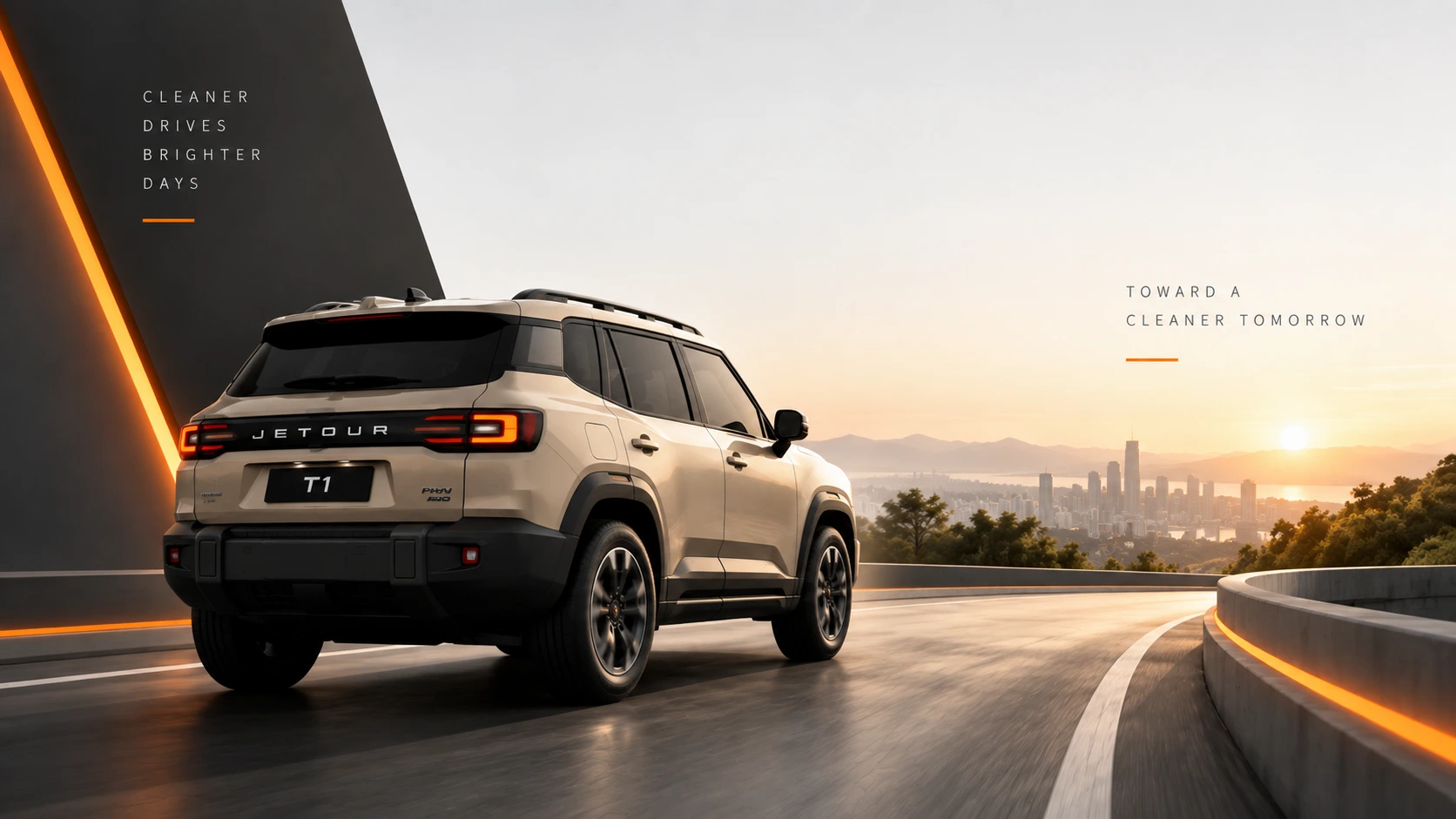
The direction of Philippine policy is increasingly clear. The Electric Vehicle Industry Development Act established a national framework for developing electric mobility, including incentives and charging infrastructure. The government has continued expanding that policy. In 2026, the Electric Vehicle Incentive Strategy was introduced to encourage domestic manufacturing and assembly of electrified vehicles and their components. That means electrification is no longer simply being driven by automakers. Infrastructure, policy and investment are beginning to move in the same direction. But transitions this large don't happen overnight. And that is exactly where I think PHEVs have a role.
PHEVs Should Be a Bridge, Not the Destination
I don't see plug-in hybrids as the final form of automotive electrification. As batteries become cheaper, charging becomes faster and infrastructure expands, the reasons for keeping an internal-combustion engine inside an electrified vehicle will gradually become weaker. Eventually, many drivers may find that they simply don't need one. But we aren't at that point everywhere in the Philippines yet. For today's market, PHEVs solve a very real problem. They allow drivers to begin using electricity without requiring them to completely depend on charging infrastructure from day one. They make it possible to drive electrically around town during the week and still take an unplanned long-distance journey without worrying about where the next compatible charger is located. That's why I think calling them a bridge technology is appropriate. A bridge isn't supposed to be your destination. Its purpose is to help you get from one side to the other.
My View
If I were advising someone considering an electrified vehicle in the Philippines today, I wouldn't begin by asking:
- “How much range does the car have?”
I'd ask:
- “Where will you charge it?”
Then:
- “How far do you normally drive each day?”
And finally:
- “How often do you make long trips?”
Those three answers will probably tell you more about whether you should buy a BEV, PHEV or conventional hybrid than the biggest range number printed in a brochure. For many Filipino drivers today, I believe a plug-in hybrid occupies a particularly useful middle ground. It lets us experience electric mobility without pretending that charging infrastructure is already equally convenient everywhere. But owners have to meet the technology halfway. Plug it in. Use the battery. Learn how electric driving fits your routine. And when the day comes that you realize the gasoline engine rarely turns on anymore, you may have answered the next question yourself. Maybe your next car doesn't need an engine at all.
Comments
No comments yet. Be the first to join the discussion.