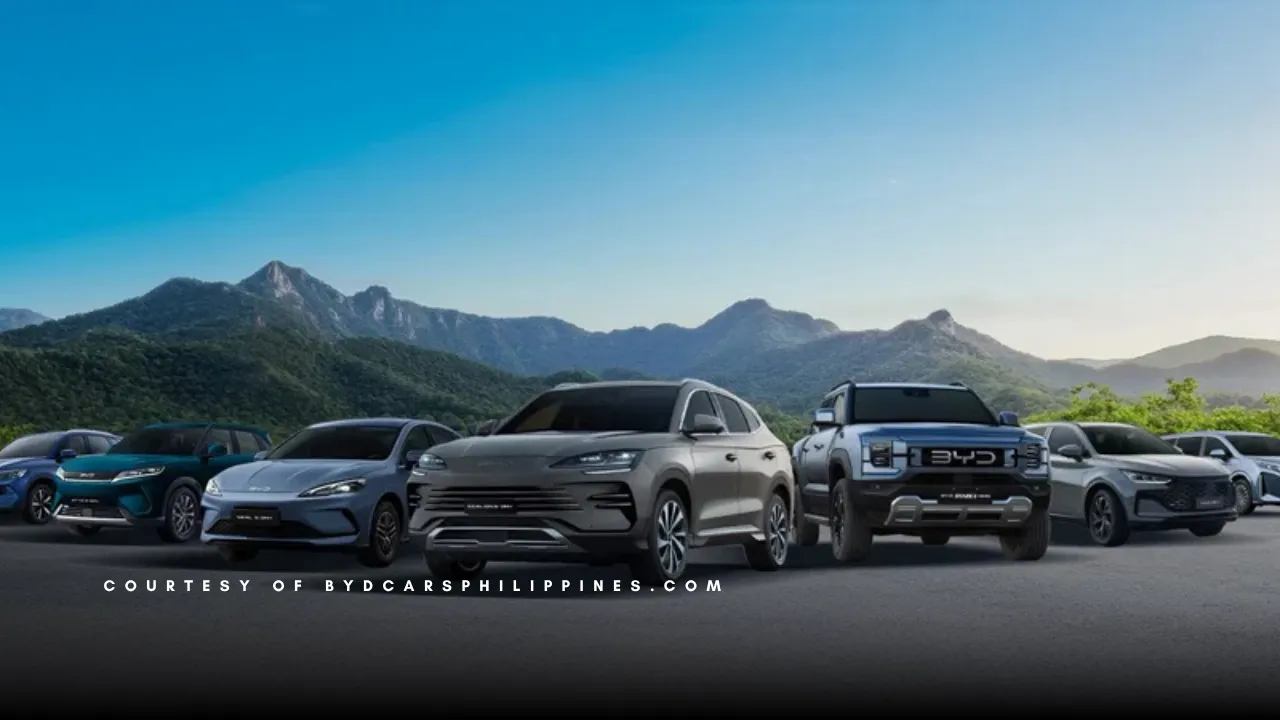
BYD's rapid expansion in the Philippines is showing little sign of slowing down. BYD Cars Philippines sold 28,399 vehicles from January through August 2026, representing a remarkable 99% increase year over year. More significantly, BYD has already surpassed the 26,122 vehicles it sold during the entire 2025 calendar year and it accomplished that with four months still remaining in 2026. The company sold 4,682 vehicles in August alone, continuing a year of strong growth that included a record-breaking April, when BYD recorded 5,730 sales. But the numbers reveal something even more interesting about the Philippine electrified-vehicle market. BYD's growth isn't being driven primarily by fully electric vehicles. Instead, its DM-i plug-in hybrids are doing most of the heavy lifting. Crossing the previous year's total before September is an important milestone for BYD. The company's January-to-August sales of 28,399 units are already approximately 2,277 vehicles higher than its full-year 2025 performance. That means BYD exceeded its previous annual record four months before the end of the year. April was particularly significant. BYD sold 5,730 vehicles during the month, its highest monthly sales figure in the Philippines so far and an increase of 258% compared with April 2025. August followed with another 4,682 vehicles. Taken together, the figures show that BYD's growth is no longer dependent on one unusually strong month. Demand is becoming increasingly sustained.
DM-i Plug-In Hybrids Are Leading the Charge
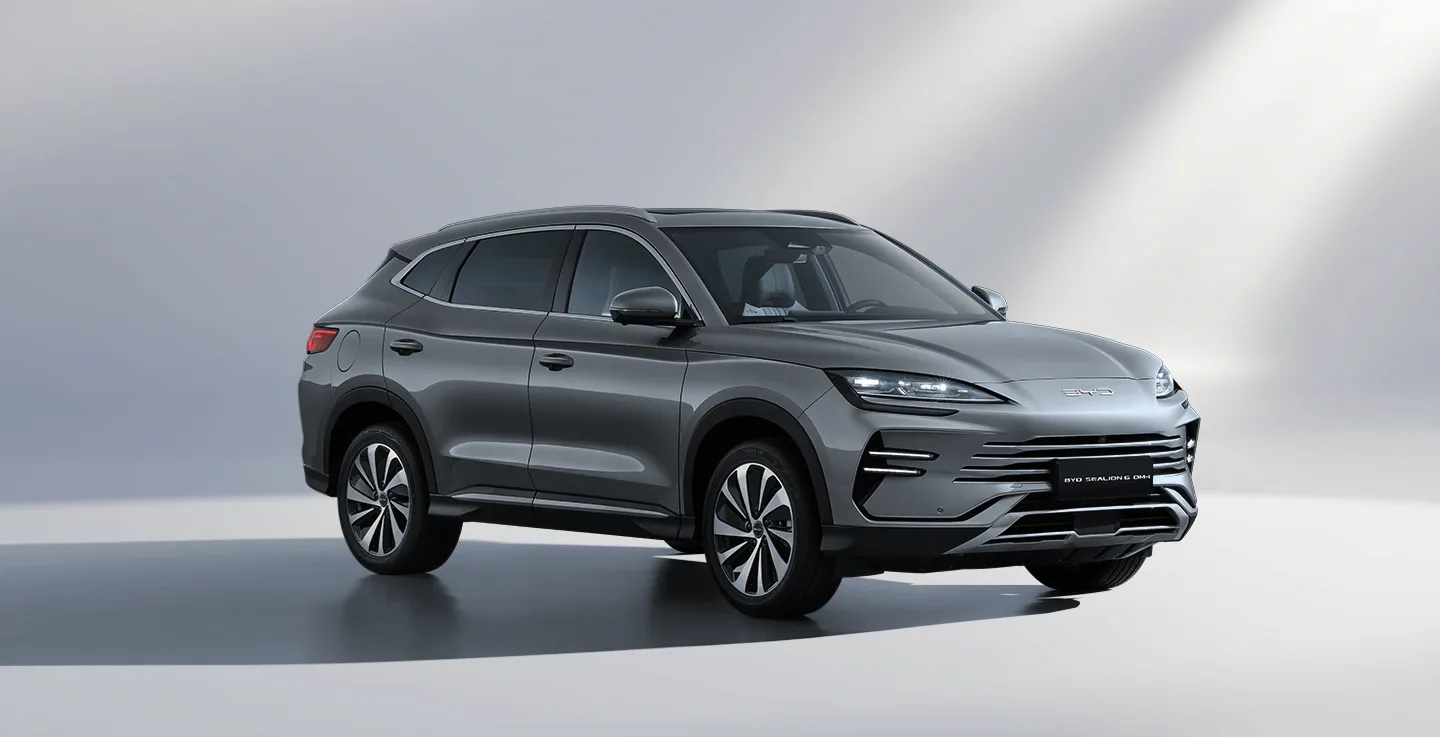 Look deeper into BYD's sales figures and the direction of the Philippine market becomes clearer. Of the 28,399 vehicles BYD sold during the first eight months of 2026, 22,555 were DM-i plug-in hybrids. That represents a 95% increase from the 11,542 DM-i vehicles sold during the same period in 2025. Put another way, approximately 79% of BYD's Philippine sales during the period came from plug-in hybrids. That is significant. While battery-electric vehicles often receive much of the attention surrounding the transition to electric mobility, Filipino buyers appear particularly receptive to vehicles that can operate electrically while retaining a gasoline engine for longer journeys. For many buyers, that combination can provide an easier transition from a traditional combustion vehicle to electrified driving One vehicle stands above the rest in BYD's Philippine lineup. The BYD Sealion 6 DM-i recorded 7,759 sales from January through August, making it the company's best-selling vehicle in the country. It accounted for approximately 27% of all BYD vehicles sold during the period. Its popularity helps explain why plug-in hybrids have become so important to BYD's local success. The Sealion 6 combines an electric drivetrain and rechargeable battery with a gasoline engine, allowing owners to use electric power for shorter journeys while maintaining the flexibility to travel longer distances without depending entirely on charging stations. That formula appears particularly well suited to current Philippine conditions. The Philippine market presents a unique environment for electrification. Traffic-heavy urban driving can favor electric propulsion, where electric motors operate efficiently at lower speeds and regenerative braking can recover some energy during deceleration. At the same time, charging infrastructure remains uneven. A driver living in Metro Manila may have convenient access to home charging and several public charging locations, while someone regularly traveling into more remote areas may encounter fewer options. A plug-in hybrid offers a compromise. Owners who have access to charging can potentially complete many everyday journeys using electricity. When a longer trip is required, the gasoline engine provides additional flexibility. This reduces what is commonly called range anxiety without eliminating the benefits of electric driving. BYD's sales figures suggest that this combination is resonating strongly with Filipino consumers.
The eMAX 9 DM-i Is Also Contributing
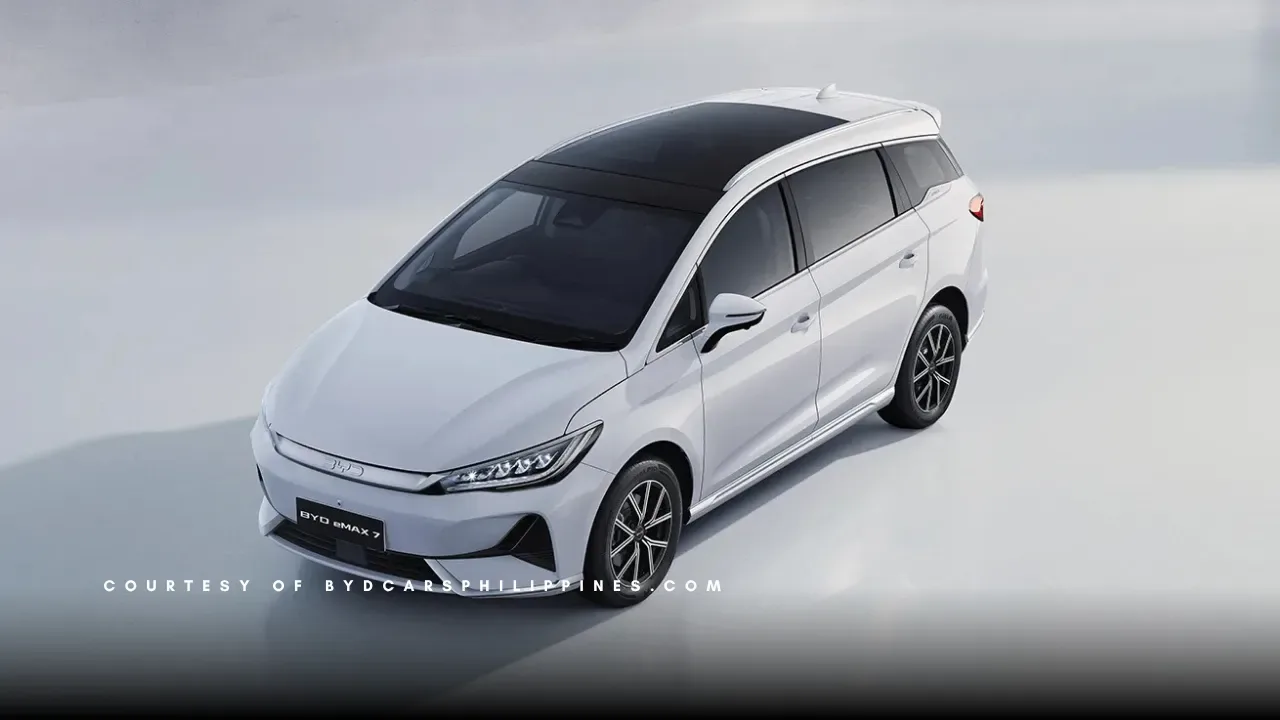
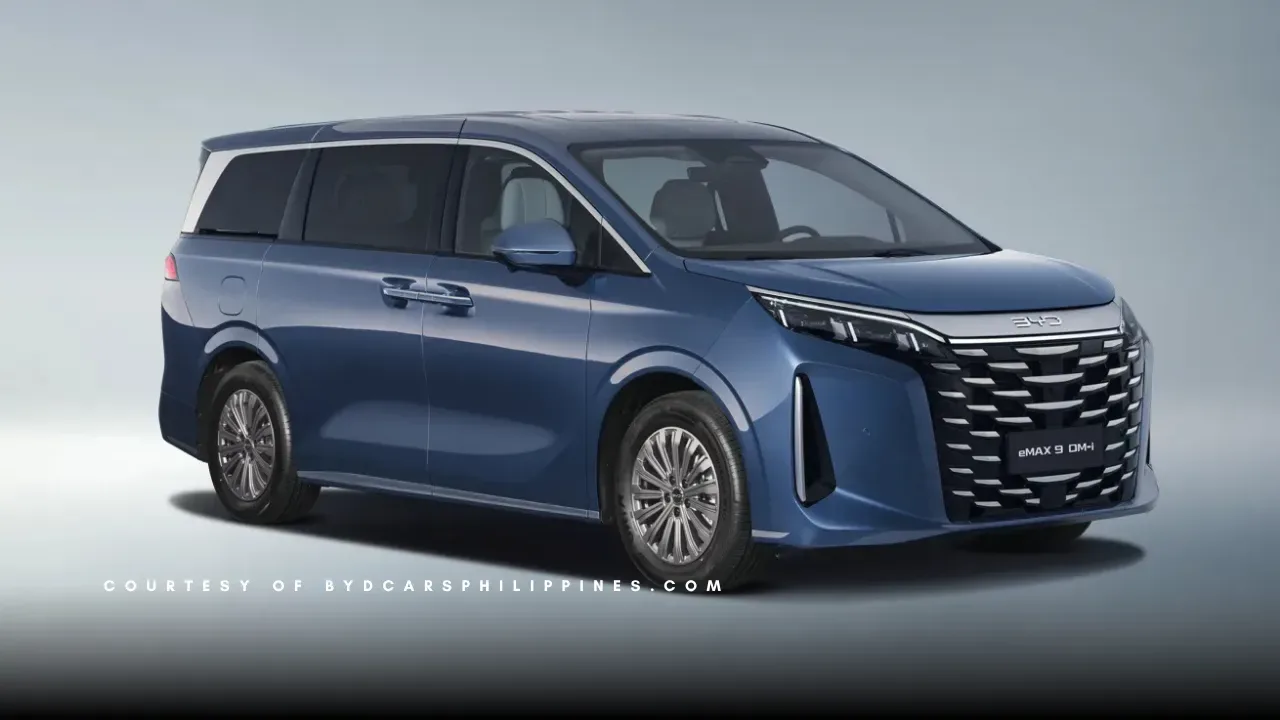 The Sealion 6 isn't BYD's only plug-in hybrid attracting buyers. The larger BYD eMAX 9 DM-i recorded 2,512 sales from January through August 2026. The premium electrified MPV targets a very different customer from the Sealion 6. Where the Sealion 6 competes in the crossover market, the eMAX 9 focuses on larger families, executives and customers who prioritize passenger space. Its contribution shows that demand for BYD's plug-in hybrid technology isn't limited to one body style or price category. BYD is increasingly applying DM-i technology across different vehicle segments. Plug-in hybrids account for the majority of BYD's Philippine volume, but the company's battery-electric vehicles are growing rapidly as well. BYD sold 5,844 fully electric vehicles from January through August 2026. That's a 115% increase from the 2,720 BEVs it sold during the same period in 2025. Percentage-wise, BYD's pure-electric lineup is therefore growing even faster than its plug-in hybrids, although from a smaller base. The BYD eMAX 7 was the company's best selling fully electric model during the period. It recorded 1,975 sales, accounting for approximately 34% of BYD's total BEV sales. The numbers show two different electrification trends developing simultaneously. Plug-in hybrids are generating the majority of BYD's current volume, while fully electric vehicles continue to grow quickly.
Electrification Is Becoming More Mainstream
BYD Cars Philippines Managing Director Bob Palanca sees the sales performance as evidence of a broader shift in the Philippine automotive market. The company argues that Filipino buyers are increasingly considering electric and plug-in hybrid vehicles alongside traditional gasoline and diesel models. That transition is important. Only a few years ago, an EV purchase in the Philippines could still be considered an unusual choice. Today, electrified vehicles are appearing across a much wider range of segments from affordable sedans and crossovers to SUVs, MPVs and premium vehicles. Competition is also increasing. BYD is no longer trying to convince consumers about electrification on its own. Geely, Jetour, MG and a growing number of Chinese manufacturers are expanding their electrified offerings, while brands from Japan, Korea, Europe and the United States continue developing their own hybrid and electric strategies. More competition means Filipino buyers have more choices. Vehicles alone don't explain BYD's growth. The company's physical presence in the Philippines has expanded rapidly as well. BYD says its dealership network has reached 81 locations nationwide. That expansion matters because buying an unfamiliar automotive technology involves more than comparing specifications. Potential EV and PHEV customers also want to know where they can service their vehicle, obtain parts, ask technical questions and receive warranty support. A larger dealership network makes the brand more accessible outside its original concentration in major urban centers. It also allows more consumers to see and test-drive BYD vehicles before making a purchase. As Chinese automakers compete for a larger share of the Philippine market, dealer and after-sales coverage could become just as important as battery capacity, electric range or horsepower.
BYD's Philippine Growth Reflects a Bigger Global Shift
 BYD's Philippine performance is occurring alongside the company's continued international expansion. Globally, BYD reported 440,293 new energy vehicle sales in August 2026. The company has also been expanding production, sales and distribution outside China as Chinese automakers increasingly compete in international markets. For the Philippines, that global scale can influence how quickly new technologies and models reach local showrooms. BYD already offers vehicles spanning sedans, crossovers, SUVs and MPVs locally, using both battery-electric and DM-i plug-in hybrid powertrains. That gives the company several ways to attract consumers who may be interested in electrification but have different budgets and driving requirements. The headline number is impressive: 99% sales growth. But the composition of those sales may tell us more about where the Philippine automotive market is heading. Roughly four out of every five BYD vehicles sold during the first eight months of 2026 were plug-in hybrids. That suggests many Filipino consumers are interested in electric driving but still value the flexibility of having a gasoline engine available. This doesn't necessarily mean the Philippines is choosing PHEVs instead of full EVs permanently. BYD's battery-electric sales increased 115%, demonstrating that demand for pure EVs is growing as well. Instead, plug-in hybrids may currently be acting as a bridge. They allow consumers to experience electric driving while reducing dependence on public charging infrastructure during longer journeys. As charging infrastructure expands and battery technology improves, that balance could change. For now, however, DM-i is clearly playing a major role in BYD's Philippine success.
Competition Is About to Become Even Stronger
BYD's growth will also attract greater competition. The Philippine market is seeing an increasing number of electrified vehicles from Chinese manufacturers. Geely is preparing additional EM-i hybrid models, Jetour continues expanding its Lightning i-DM lineup, and XPENG is entering the country with technology-focused electric vehicles. Established global manufacturers are also increasing their hybrid and EV offerings. That means BYD cannot rely indefinitely on being one of the most visible electrified brands in the market. Pricing, technology, battery reliability, charging infrastructure, dealer coverage and long-term after-sales support will increasingly determine which manufacturers maintain their momentum. For Filipino consumers, that competition could ultimately be beneficial. More manufacturers competing for EV and PHEV buyers can result in greater choice, better technology and increasingly competitive prices. BYD has already accomplished something unusual: it has exceeded an entire year's sales performance before the final third of the current year is complete. The question now is how far it can go. With 28,399 vehicles already sold through August, BYD is approaching the 30,000-unit mark with four months of sales still remaining. Its 81-dealership network is expanding its reach, its DM-i models continue generating significant volume, and its fully electric lineup is growing at triple-digit rates. Whether that momentum continues through the end of 2026 will provide an even clearer picture of how quickly electrified vehicles are becoming part of the Philippine mainstream. But one thing is already apparent. BYD is no longer a small challenger trying to introduce electric vehicles to Filipino buyers. It is becoming a significant player in the Philippine automotive market and plug-in hybrids are helping it get there.
Comments
No comments yet. Be the first to join the discussion.