The Real Opportunity in Pax Silica Is Moving Beyond Low-Value Manufacturing
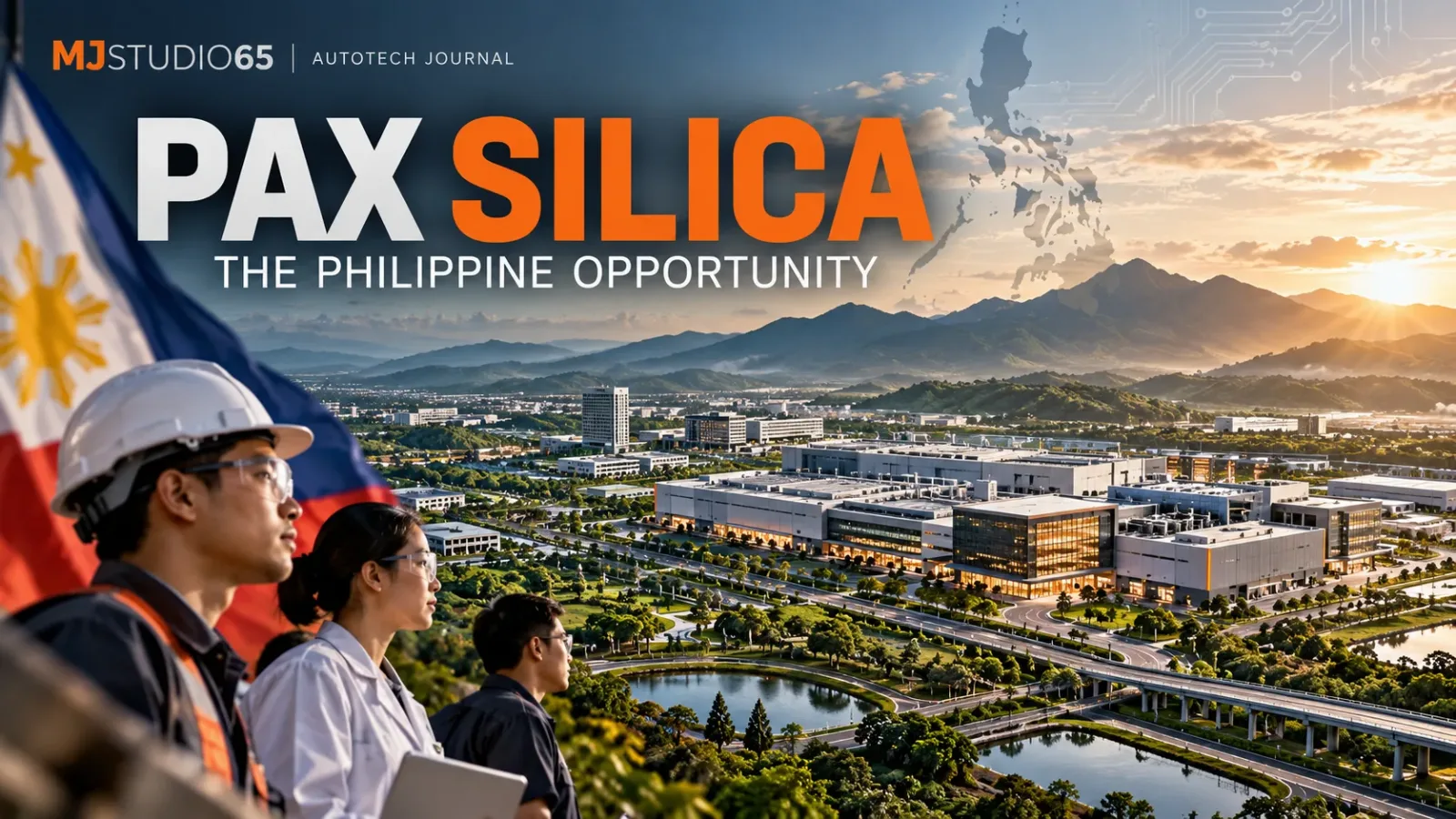
For decades, the Philippines has been part of the global technology economy without necessarily occupying its most valuable positions. Filipino workers assemble electronics, semiconductor products leave Philippine factories for markets around the world, and the country possesses mineral resources needed by modern industry. Yet much of the technology, intellectual property, advanced processing and highest-value manufacturing still happens somewhere else. Pax Silica could create an opportunity to change part of that equation. The U.S.-led initiative links cooperation across critical minerals, semiconductors, advanced manufacturing and artificial intelligence. The Philippines joined the initiative in April 2026, alongside plans for an approximately 4,000-acre or roughly 1,600-hectare advanced industrial hub in New Clark City. Philippine officials envision an ecosystem connecting manufacturers, technology companies, research institutions, infrastructure and skilled workers rather than simply another conventional industrial estate. The ambitions are enormous. The Bases Conversion and Development Authority has said the development could eventually attract between US$40 billion and US$70 billion in investment and create more than 130,000 high-quality jobs. Those figures should be understood as projections, not investments and jobs that have already materialized. Nevertheless, they illustrate the scale of what is being proposed. For the Philippines, however, the real question should go beyond how many billions of dollars could enter the country.
What will remain in the Philippines twenty or thirty years from now?
If Pax Silica creates skilled Filipino workers, domestic suppliers, research capability, advanced infrastructure and industries capable of competing internationally, its legacy could extend far beyond the original investment. But if the Philippines primarily contributes land, natural resources and labor while the most valuable technology and knowledge remain elsewhere, the outcome would be very different. And there is another side of the equation. A development covering thousands of acres and supporting advanced manufacturing will need land, electricity, water and infrastructure. Communities will experience change. Critical-mineral processing could also create environmental pressures far beyond New Clark City. The opportunity is substantial. So are the responsibilities that come with it.
The Philippines Already Makes Technology but Can It Move Up the Value Chain?
The Philippines is not starting from zero. Electronics and semiconductor manufacturing already form an important part of Philippine industry and exports. But BCDA President Joshua Bingcang has acknowledged that much of the country's semiconductor activity remains toward the lower end of the value chain. The government's stated objective for the New Clark City development is therefore not merely to increase production, but to move the Philippines toward higher-value portions of semiconductor and advanced manufacturing. That distinction is important. There is a tremendous difference between assembling a sophisticated product and possessing the knowledge, suppliers, engineering capabilities and intellectual property required to develop that product. A country can manufacture billions of dollars of electronics without becoming a technological leader. Components may arrive from abroad, assembly may happen locally, and finished products may leave the country while much of the profit, research and intellectual property remains elsewhere. Pax Silica potentially gives the Philippines an opportunity to capture more of that value. The proposed ecosystem covers areas including semiconductors, AI-related infrastructure, advanced manufacturing and critical-mineral processing. Philippine officials have also pursued international cooperation involving research and development, innovation and mineral-processing technologies. If successful, the Philippines could gradually move from asking:
- “How many electronics products do we manufacture?”
toward a more important question:
- “How much of the technology inside those products can we develop ourselves?”
That transition will not happen simply because factories are constructed in Tarlac. It requires something considerably harder: building knowledge.
130,000 Jobs Could Matter but What Kind of Jobs?
Job creation will understandably be one of the most attractive parts of Pax Silica. BCDA's projection of more than 130,000 high-quality jobs includes potential opportunities for engineers, researchers, computer-science graduates and other skilled professionals. Officials have presented the project partly as an attempt to turn the Philippines' persistent “brain drain” into “brain gain” creating more reasons for highly trained Filipinos to build careers at home. That could have consequences extending beyond employment statistics. Many Filipinos study engineering, information technology, electronics and other technical fields only to discover that some of the best opportunities matching their skills are overseas. If advanced industries expand domestically, the Philippines could retain more of that talent. But the quality of those jobs matters as much as their number.
A semiconductor ecosystem needs technicians and production workers, but it also needs process engineers, materials scientists, software developers, equipment specialists, researchers and managers. An advanced industrial strategy becomes far more valuable when Filipinos progressively occupy those positions rather than remaining concentrated in lower-value production work. There could also be significant indirect employment. Factories need construction companies, equipment maintenance, logistics, security, food services, transportation, telecommunications, professional services and thousands of suppliers. Workers need housing, schools, healthcare, shops and services. The designation of Subic Bay as a preferred maritime gateway for the initiative illustrates how the economic footprint could extend well beyond New Clark City itself. That creates the possibility of an industrial cluster rather than an isolated collection of factories. But again, projections are not outcomes. Twenty years from now, the more meaningful measurement will not simply be whether 130,000 jobs appeared. It will be how productive those jobs became, how much Filipino wages and expertise increased, and whether Filipino-owned companies grew alongside the foreign investors.
Technology Transfer May Be More Valuable Than the Factories
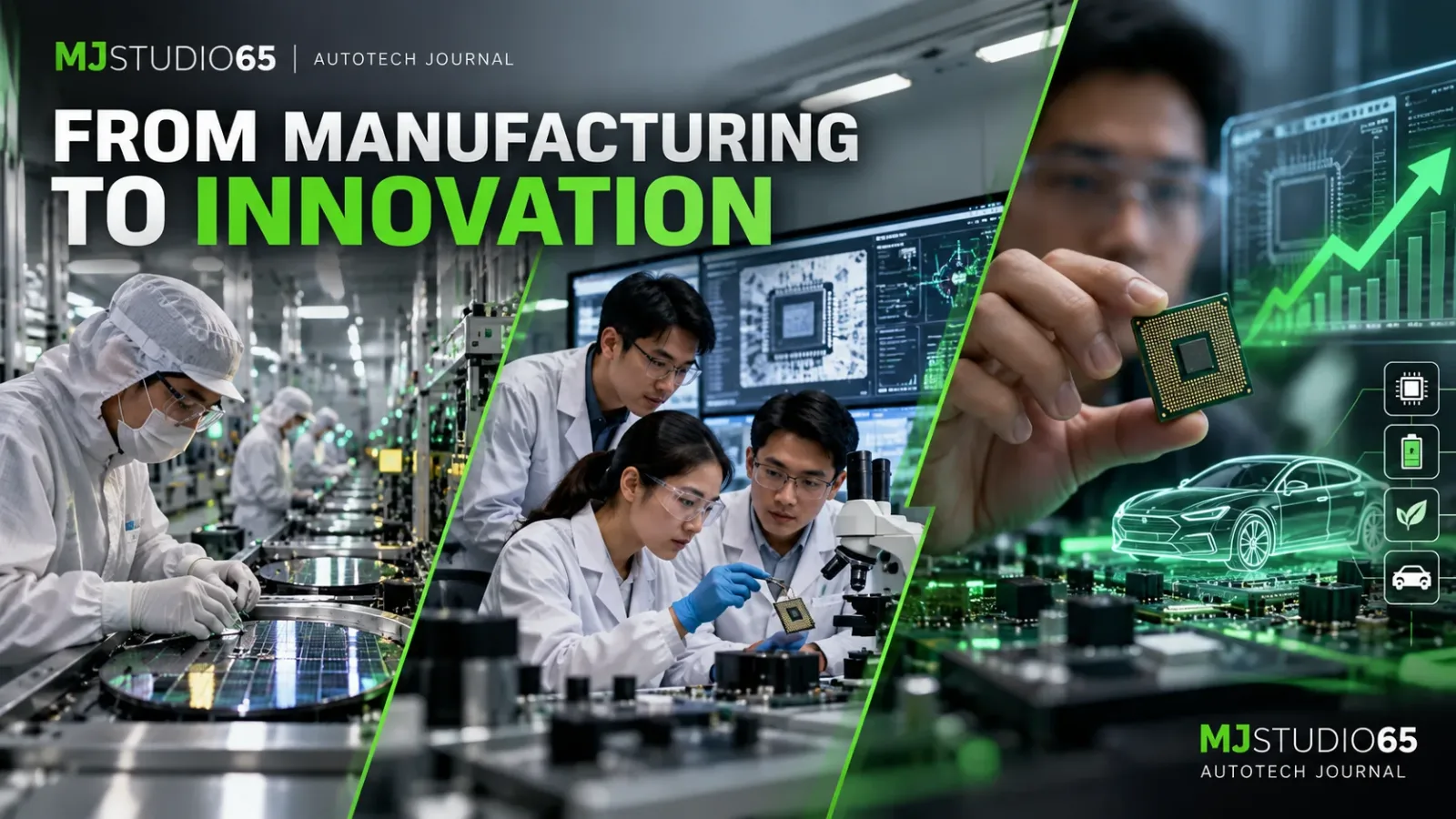 A factory can eventually close. Knowledge is much harder to remove. This may be the most important long-term opportunity associated with Pax Silica. The Philippines' April 2026 proposal for a Pax Silica Coordination Office specifically listed workforce development, technology transfer and capacity building among its intended functions. Those words deserve attention because technology transfer could determine whether Pax Silica becomes transformative or merely profitable. Imagine two possible outcomes. In the first, foreign companies build sophisticated facilities. Most major equipment is imported. Critical processes are controlled overseas. Research remains abroad. Filipino workers operate the factories, but relatively little of the underlying technology becomes embedded in Philippine companies and institutions. That would still create employment and exports. But consider a second outcome.
Filipino engineers learn advanced manufacturing processes. Universities establish laboratories connected to industry. Local suppliers begin producing increasingly sophisticated components. Researchers collaborate with international technology companies. Filipino startups emerge around materials, software, robotics and industrial systems. Domestic companies eventually develop products of their own. That would be something much larger. The Philippines would not merely host technology. It would begin accumulating technological capability. International cooperation already being discussed under Pax Silica includes mineral processing, research and development, semiconductor cooperation, AI, innovation and pilot projects involving technology companies. The challenge will be converting those discussions into institutions that survive political administrations and individual investment cycles. A factory can transform a town for twenty years. Knowledge can transform a country for generations.
Universities Should Be Part of the Industrial Strategy
This is why universities and technical schools should not sit outside the project looking in. If companies arrive faster than the Philippine education system can produce workers with the required skills, companies will either import specialists or compete for a relatively small pool of qualified Filipinos. Neither produces the full benefit that the country could capture. A stronger approach would connect industry directly with education. Engineering curricula could evolve around the actual technologies being introduced. Students could train on industrial equipment before graduating. Universities could conduct research with manufacturers. Scholarships could be connected to fields where shortages are expected. Technical schools could develop specialized programs for semiconductor manufacturing, automation, robotics, industrial maintenance and precision production. Eventually, the goal should be bigger than supplying workers to foreign companies. Philippine universities should become places where some of the technology itself is created. That is when an industrial hub begins becoming an innovation ecosystem.
Critical Minerals: Stop Exporting the Opportunity With the Ore
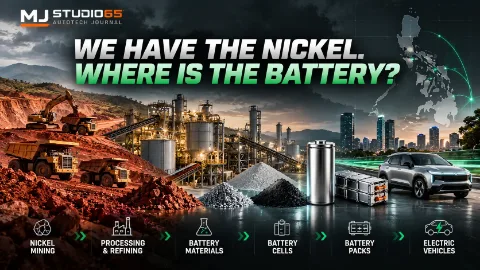
Pax Silica also intersects with something the Philippines already possesses: mineral resources. Government discussions have specifically identified nickel, copper and cobalt among minerals where greater domestic processing could help move the Philippines toward higher-value production. Philippine and Israeli officials, for example, have discussed cooperation involving processing and refining technologies alongside semiconductor and AI development. This raises a fundamental economic question. If a country extracts a mineral, exports it in relatively raw form and later imports products containing that material at much higher value, much of the economic opportunity leaves with the ore. Processing more of those resources domestically could retain additional value.
Instead of:
- mine → export
the Philippines could attempt to build:
- mine → refine → process → manufacture → technology product → export
Every additional stage potentially creates expertise, employment and industrial capability. But this is also where the economic argument meets the environmental one. Higher domestic demand for critical minerals could encourage additional extraction elsewhere in the Philippines. Students and other stakeholders discussing Pax Silica have already raised concerns that greater mineral demand could increase pressure on mining areas, even though officials emphasize that mining itself will not occur inside the New Clark City hub. Moving processing to Clark does not make the environmental footprint at the mine disappear. A semiconductor or advanced component may look extraordinarily clean when it leaves a modern factory. Its environmental story began much earlier.
1,600 Hectares Is a Serious Commitment of Land
The proposed industrial hub covers roughly 1,600 to 1,620 hectares within New Clark City. BCDA says the site represents about 4.6 percent of the wider Clark Freeport and Special Economic Zone and is located within areas designated as buildable under the New Clark City master plan. Those facts provide important context, but development on that scale still deserves scrutiny. Industrial parks do not consist only of factory buildings. They require roads, drainage, electrical infrastructure, water systems, warehouses, logistics facilities and eventually supporting commercial and residential development. The environmental question therefore should not be reduced to whether a particular tree will be removed or whether the site technically overlaps a protected area. The more useful question is: How much ecological value will be altered, and what will replace it? Land development changes how rainwater flows. Impermeable surfaces affect drainage. Construction changes habitats. Transportation corridors divide landscapes. Industrial activity generates waste. None of those facts automatically means the project should not proceed. They mean environmental engineering needs to be treated as fundamental infrastructure rather than an afterthought.
The Water Question Could Become One of the Biggest Tests
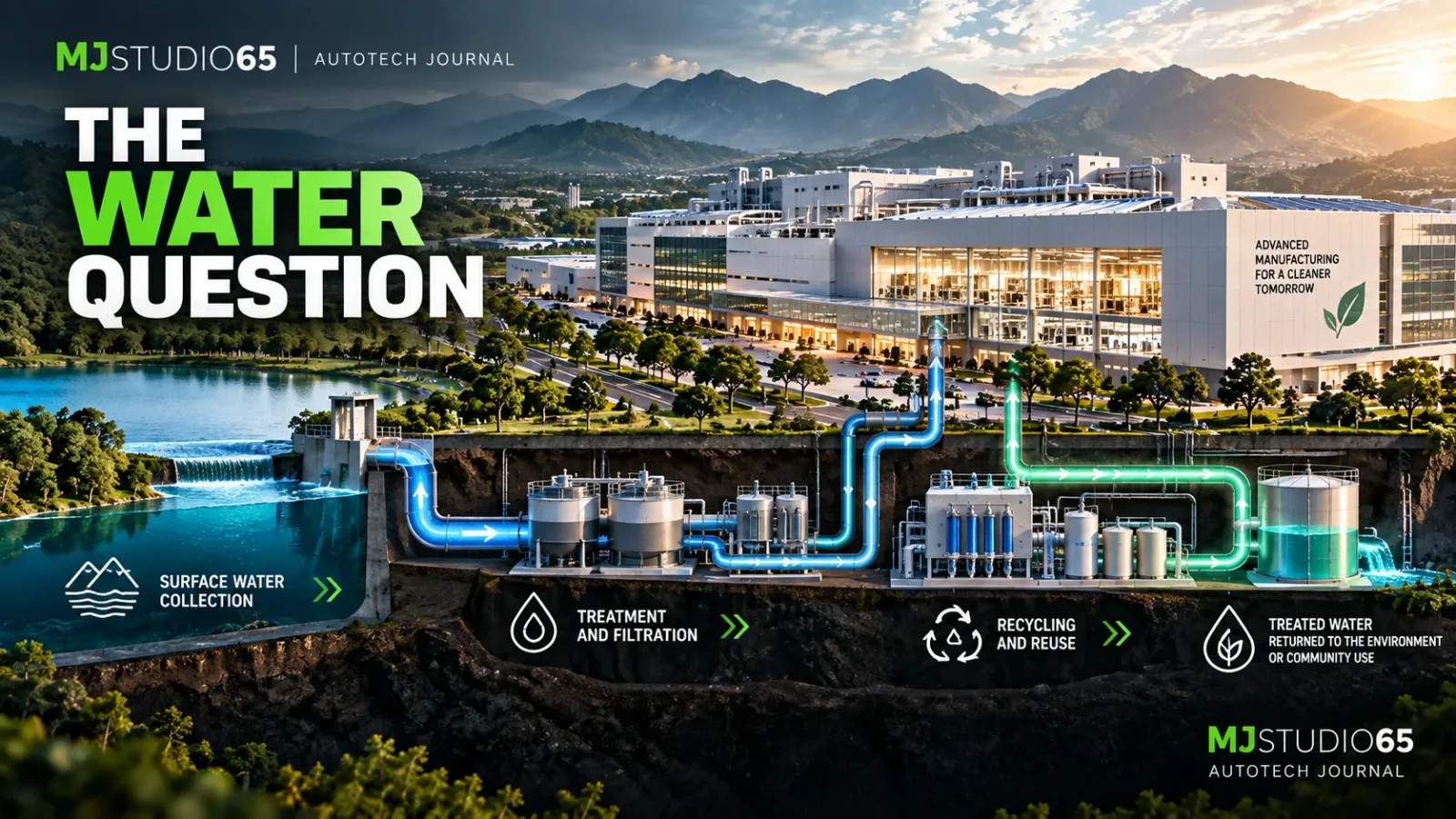 Water deserves particular attention because advanced industrial facilities can have substantial requirements. BCDA has estimated the proposed project's eventual demand at roughly 65 million to 90 million liters per day. The agency says it is planning a surface-water harvesting system capable initially of supplying up to 120 million liters per day, with potential expansion to 300 million liters. BCDA also says the development would not depend on groundwater extraction or the existing community water supply and has discussed treatment, recycling and potentially desalination. On paper, that provides a possible solution. But an engineering proposal is not yet an environmental result. The system will ultimately need to demonstrate that it works through wet seasons, dry seasons, droughts and decades of industrial expansion. There are several questions that should remain open to public scrutiny. How much water will individual industries actually consume? How much process water can realistically be recycled? How will industrial wastewater be treated? What happens during an unusually severe drought? How will changing rainfall patterns affect surface-water availability? And if the industrial hub eventually expands beyond its initial assumptions, will water infrastructure expand before the factories do? There is even a potential opportunity hidden inside this challenge. If New Clark City develops sophisticated water capture, recycling and treatment systems with capacity beyond industrial requirements, surrounding communities could potentially benefit from infrastructure that would otherwise have been difficult to finance. BCDA has publicly raised the possibility of sharing surplus supply with communities. That would represent a better model of industrial development: infrastructure built for investment that also improves local resilience. But that benefit should be demonstrated rather than assumed.
A Technology Hub Will Need Enormous Amounts of Reliable Energy
Water is only half of the infrastructure equation. Semiconductor production, advanced manufacturing and AI-related computing all depend on reliable electricity. Even short interruptions can be extremely costly in sophisticated industrial processes. BCDA says dedicated generation and off-grid facilities are being considered for the development and that renewable-energy options will be explored. Philippine officials have separately discussed renewable power and energy infrastructure with international companies in connection with Pax Silica. This creates both a challenge and an opportunity. If a major new technology cluster is powered primarily by additional fossil-fuel generation, part of its environmental cost is simply transferred from the industrial estate to the power sector. But if the development helps finance large renewable-energy systems, storage, smarter grids and more efficient industrial infrastructure, Pax Silica could accelerate energy investment that benefits more than the companies inside the hub. The infrastructure surrounding the technology matters almost as much as the technology itself. A twenty-first-century industrial hub should ideally be supported by a twenty-first-century energy system.
Development Changes Communities Even When Nobody Is Formally Displaced
The human impact also deserves more nuance than a simple count of relocated families. BCDA says the proposed site is outside ancestral domains and has stated that potentially affected families would remain within their barangays, with livelihood and employment assistance available. The agency has also been conducting community engagement and an updated census in Sitio Sapang Kawayan with the National Commission on Indigenous Peoples as preparations for the manufacturing park advance. Those are important safeguards to examine as the project develops. But communities can change dramatically without people being formally evicted. Land prices can rise. Rent can increase. Traffic changes. Agricultural land may become more valuable for development. New businesses arrive. Thousands of workers move into surrounding areas. Traditional livelihoods can become less viable while entirely new occupations appear. Some families may benefit enormously. A small restaurant can suddenly serve hundreds of workers. A landowner may see property appreciate. Young people may find technical careers without leaving their province. Better roads, telecommunications and public services may arrive. Others may struggle with the same transformation. This is why community participation should not happen only when construction is about to begin. People who will live beside the project for decades should have meaningful access to information about water, land use, environmental monitoring, transport, housing and employment. Economic development is more durable when surrounding communities see themselves as participants in it rather than obstacles standing in its path.
The Philippines Must Avoid Building an Industrial Island
There is another risk that receives less attention. It is possible to create a technologically advanced industrial estate that remains surprisingly disconnected from the domestic economy. Foreign companies can import equipment, source components internationally, operate inside an economic zone and export finished products. The numbers can look impressive while relatively little industrial capability spreads outside the zone. The Philippines should therefore measure Pax Silica not only by foreign direct investment. It should also watch the growth of local suppliers. Can a Filipino company eventually manufacture precision parts for a semiconductor facility? Can another provide industrial software? Can Philippine engineering firms design portions of future factories? Can local chemical producers meet advanced manufacturing specifications? Can Filipino technology startups sell products to the companies operating inside the hub? Those relationships are how industrial capability spreads through an economy. The objective should not be a high-tech island surrounded by an economy that continues operating much as it did before. The objective should be an ecosystem.
There Is Also a Geopolitical Dimension
Pax Silica is not developing in a vacuum. It is part of a broader effort among participating countries to build more resilient technology and critical-material supply chains. That places the Philippines inside a changing global competition involving semiconductors, AI, minerals, manufacturing capacity and supply-chain security. The Philippine government's own description of Pax Silica emphasizes resilient silicon supply chains spanning critical minerals through advanced manufacturing and AI. That can create opportunities because governments and companies are increasingly willing to invest significant amounts of money to diversify strategic supply chains. But it also means Philippine industrial planning should remain focused on Philippine interests over the long term. Technology alliances change. Governments change. Trade relationships change. Companies merge, relocate or disappear. Factories built today may operate under a very different geopolitical environment twenty years from now. That is another reason domestic capability matters. Infrastructure, trained workers, universities, local suppliers and Filipino companies remain valuable regardless of how international alliances evolve.
What Would Success Actually Look Like?
Perhaps the biggest mistake would be judging Pax Silica by its groundbreaking ceremony. Or by the first billion dollars invested. Or even by the first semiconductor factory that opens.
- Real success should become visible gradually.
- Five years from now, are more Filipino engineers working in advanced industries?
- Ten years from now, are Filipino suppliers producing increasingly sophisticated components?
- Are Philippine universities conducting research with companies operating in New Clark City?
- Are Filipino companies owning intellectual property generated from that ecosystem?
- Are communities around the development economically better off?
- Are water systems still sustainable?
- Are environmental commitments being measured publicly?
- Are mining regions supplying critical minerals under stronger environmental standards?
And twenty years from now, can the Philippines design and manufacture technologies that it previously only assembled? Those are much harder measurements than investment announcements. They are also much more meaningful.
So, Is Pax Silica Good for the Philippines in the Long Run?
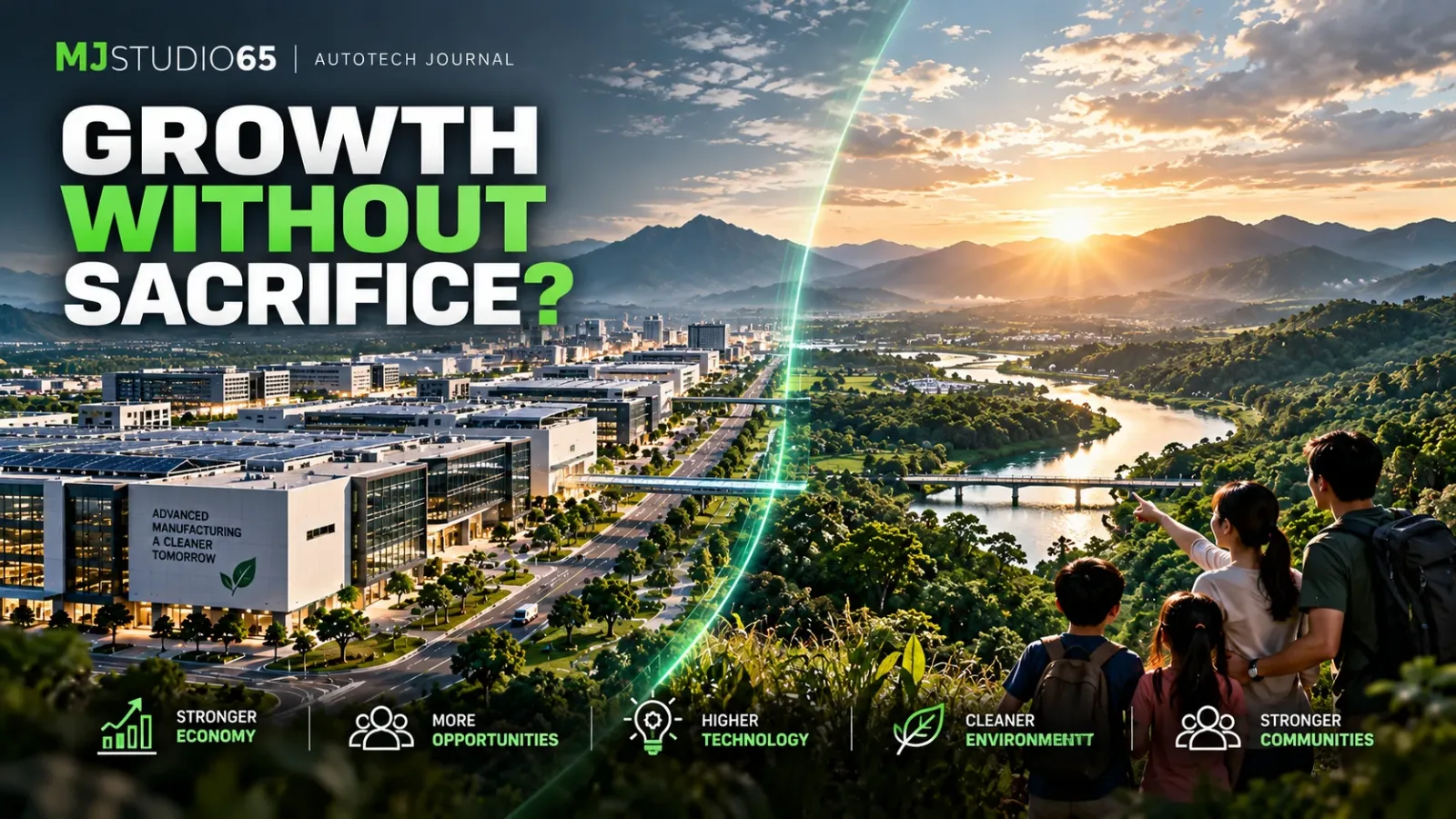 At this stage, that question cannot responsibly be answered with a simple yes or no. The hub is still a proposed and developing project, and headline figures for investment and employment remain projections rather than completed outcomes. There are plausible paths in which the initiative contributes substantially to Philippine industrial capability, and others in which the gains are narrower while environmental and community costs prove greater than anticipated. What can be said is that the Philippines has an unusually significant opportunity in front of it. The country has a skilled workforce, an established electronics sector, strategically important mineral resources and a location connected to major Asian supply chains. Pax Silica could combine some of those advantages in a way that allows the Philippines to capture more value from industries it already supports. But the size of the opportunity should increase not reduce the level of scrutiny. Economic growth should be measured against water security. Industrial expansion against environmental protection. Foreign investment against domestic capability. Job numbers against job quality. Mineral processing against responsible extraction. And technological progress against whether Filipinos actually acquire the knowledge behind the technology. If, decades from now, New Clark City contains advanced factories while Filipino engineers design technologies inside them, Filipino companies supply them, universities conduct research alongside them, surrounding communities benefit from their infrastructure, and environmental safeguards have held up under real-world pressure, Pax Silica's legacy would extend far beyond the original investment figures. If those outcomes do not materialize, impressive factories and export numbers would tell only part of the story. The most valuable thing the Philippines can gain from Pax Silica is therefore not a factory, a semiconductor, a mineral-processing plant or even tens of billions of dollars in investment. The capability to educate its people for advanced industries. The capability to turn natural resources into higher-value products responsibly. The capability to develop technology rather than merely consume it. And ultimately, the capability to compete in industries that will shape the next several decades of the global economy. That is the opportunity. Whether it becomes the lasting benefit will depend on what the Philippines chooses to build around it.


Comments
No comments yet. Be the first to join the discussion.