
A new-car review can tell you how a vehicle feels during a test drive, but long-term ownership tells a different story. After nine months of driving the Jetour T1 Lightning i-DM, we have experienced the vehicle beyond its specifications, showroom features, and first impressions. We have driven it in everyday traffic, charged it regularly, used its hybrid system extensively, and watched how the vehicle behaves as the months and kilometers accumulate.
During that time, we encountered several issues some minor, one particularly concerning but we also discovered areas where the T1 has performed remarkably well. This is not a laboratory test or a short-term media review. This is our actual experience as owners after nine months of living with the Jetour T1 Lightning i-DM.
1. The Biggest Concern: The Sudden SOC Drop
The most significant issue we have experienced with the T1 is the sudden drop in battery state of charge, or SOC. We first encountered the problem roughly two months into ownership. Under certain conditions, the displayed battery percentage would suddenly fall much faster than expected. The issue has not completely disappeared after nine months. However, compared with our earlier experiences, it appears to have improved. The sudden SOC drop now happens only occasionally, but because it still occurs, we cannot consider the issue completely resolved.
We spent time observing the vehicle and studying when and how the SOC drop occurs, hoping to identify a consistent pattern or cause. So far, however, our observations have not produced a conclusive explanation. Because of that, we do not want to speculate about whether the cause is the battery itself, the battery-management system, software calibration, temperature, driving conditions, or another component. What we can say with confidence is simple: we experienced it, it still occasionally happens, and its exact cause remains unclear to us. This is one area we will continue monitoring as the vehicle gets older.
2. The Side Mirrors Occasionally Refuse to Fold
Another small but unusual issue involves the power-folding side mirrors. Most of the time, they operate normally. However, there have been occasions when a mirror did not fold as expected. One particularly interesting incident occurred when the battery SOC was around 13 percent. The mirror would not fold. After we charged the vehicle, the folding function worked again. We cannot confirm that the low SOC caused the problem, because one incident is not enough to establish a direct connection. Still, it was an interesting behavior worth documenting as part of our ownership experience. This has not become a major inconvenience, but it is something we continue to observe.
3. The Wiper Blades Can Be Noisy
The windshield wipers have also shown inconsistent behavior. Sometimes they operate quietly and normally. At other times, the blades produce noticeable noise as they move across the windshield, almost as though there is excessive friction between the rubber blade and the glass. The wipers continue to function, so this has not been a serious mechanical problem. Nevertheless, the inconsistent noise can be irritating, especially considering how quiet the vehicle can be when operating electrically. It may ultimately be something as simple as the blade material, windshield condition, or contamination on the glass, but from an owner's perspective, it is something we noticed during regular use.
What Has Impressed Us After Nine Months
The issues above deserve to be mentioned, but they represent only part of our experience. Several aspects of the T1 have actually impressed us more as the months have passed.
4. The Body Still Feels Solid
After nine months, we have not noticed annoying squeaks or rattles coming from the body or interior. Even when going over humps and uneven surfaces, the vehicle remains impressively quiet. This matters in a long-term review because rattles and creaks sometimes appear only after a vehicle has accumulated months of regular use. So far, our T1 still feels solid. For us, this has been one of the strongest indications that the vehicle's overall body construction and assembly quality have held up well.
5. Suspension and Steering Remain Good
The suspension continues to perform well. We have not noticed unusual noises from the shocks, even when driving over humps and less-than-perfect roads. The steering also continues to work as expected. More importantly, we have not experienced noticeable alignment problems during our nine months with the vehicle. The T1 still tracks properly and feels stable from behind the wheel. These may sound like ordinary things, but long-term ownership is often about exactly that: whether the components you rarely think about continue doing their jobs properly. So far, they have.
6. Sunroof and Sunshade Have Been Trouble-Free
The panoramic sunroof and its powered sunshade are features with additional motors and moving components, so reliability was something we wanted to observe over time. After nine months, both continue to operate properly. We have not experienced problems with their opening and closing mechanisms, and the controls continue to function as expected.
7. The Infotainment System Has Been Surprisingly Stable
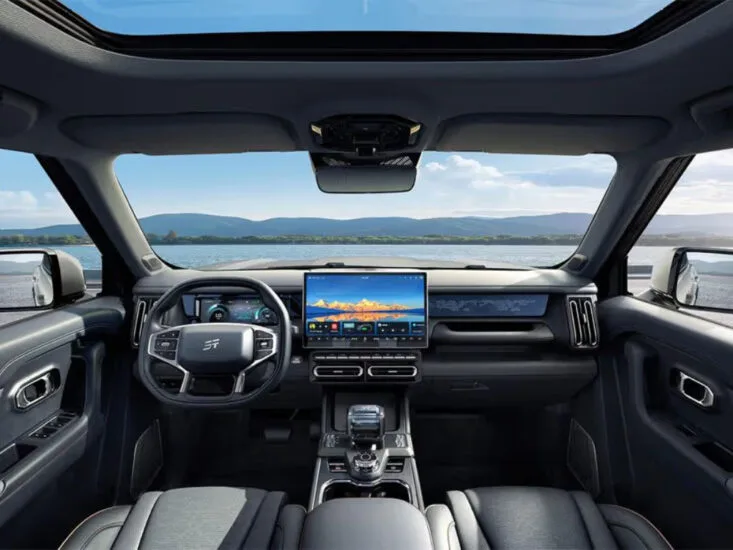
Modern vehicles increasingly depend on large infotainment systems, and software reliability can sometimes become just as important as mechanical reliability. Our experience with the T1 has been positive. After nine months, we have yet to encounter significant lagging, freezing, or crashes from the infotainment system. The display and its functions continue to operate smoothly in our everyday use. That is particularly encouraging because many of the T1's vehicle controls and features are integrated into the screen.
Energy Consumption After Nine Months
8. Has the Battery Lost Noticeable Range?
One of our biggest questions when we first bought a plug-in hybrid was what would happen to the battery after months of regular charging and driving. After nine months, we have not noticed a meaningful change in our normal mileage or electric-driving performance compared with when the vehicle was new. Based purely on our own real-world observations, the battery continues to deliver approximately the performance we became accustomed to during the first months of ownership. This does not constitute a scientific battery-health test, and we cannot determine the battery's actual remaining capacity without proper diagnostic measurements. But from an owner's perspective, we have not yet experienced an obvious reduction in usable driving range.
9. Fuel Consumption Depends Heavily on How You Use the Hybrid System
The T1 Lightning i-DM gives the driver several ways of managing energy, and after nine months we have learned that how you use the hybrid system matters. Fuel consumption can remain reasonable when the battery is regularly charged externally and the vehicle is allowed to take advantage of electric driving. We have also experimented with using the gasoline engine to recharge the battery. From our experience, using the engine to charge the battery while the vehicle is stationary can produce acceptable fuel consumption depending on the situation.
However, charging the battery using the engine while simultaneously driving generally requires more fuel. That makes sense because the engine is being asked to both help move the vehicle and produce energy for the battery. Our experience therefore reinforces one important lesson about owning a PHEV:
The T1 works best when you actually plug it in.
Using gasoline to replenish the battery can be useful when necessary, but it should not be treated as a replacement for regular external charging if efficiency is the goal.
Our Nine-Month Ownership Scorecard
After nine months, this is how the Jetour T1 Lightning i-DM has performed based specifically on our own ownership experience
| Area | Our Experience | Nine-Month Assessment |
|---|---|---|
| Battery & EV Performance | Everyday range remains similar to when the vehicle was new, although the occasional sudden SOC drop remains unresolved. | Good, but needs monitoring |
Fuel & Energy Efficiency | Efficient when regularly plugged in. Engine charging is useful, but fuel consumption increases when charging the battery while driving. | Good |
Build Quality | No noticeable body squeaks or rattles, including when going over humps and uneven roads. | Very Good |
| Ride & Suspension | Shocks continue to perform properly without unusual noises. | Very Good |
| Steering & Alignment Infotainment | Steering remains responsive and we have not noticed alignment problems. No significant lagging, freezing, or crashes encountered so far. | Very Good |
| Very Good | ||
Sunroof & Sunshade | Both continue to operate normally after nine months. | Very Good |
Power Side Mirrors | Generally work properly, but we have occasionally experienced failure to fold. | Good, with minor issue |
Wipers | Functional, but occasionally produce excessive friction noise against the windshield. | Fair to Good |
| Overall Reliability | No major mechanical failure or issue that has prevented us from using the vehicle normally. | Very Good so far |
| Value for Money | Strong combination of equipment, comfort, technology and PHEV capability based on our experience. | Above Fair / Very Good |
What the Scorecard Tells Us
The interesting part of this scorecard is that most of our concerns after nine months are not related to the T1's basic mechanical structure. The suspension, steering, body, alignment, sunroof and infotainment system have all performed well. Instead, our biggest unanswered question involves the vehicle's energy-management behavior, particularly the occasional sudden SOC drop. That distinction is important. We do not want one issue to overshadow everything the vehicle has done well, but neither do we want the positive aspects of the T1 to make us ignore a problem that we believe deserves continued observation. That is the purpose of a long-term owner review: to document both sides.
Nine-Month Verdict
After nine months of ownership, the Jetour T1 Lightning i-DM has not been perfect. The sudden SOC drop remains our biggest concern. Although it appears to happen less frequently than before, we still occasionally experience it, and we have not been able to conclusively determine its cause. The occasional side-mirror issue and noisy windshield wipers are smaller annoyances that we would also like to see improved. But when we look at the vehicle as a whole, our experience remains positive.
The body still feels solid. We have not developed annoying squeaks or rattles. The suspension and steering continue to perform properly. The alignment remains good. The sunroof and sunshade work normally. The infotainment system has remained stable. And most importantly for a plug-in hybrid, we have not noticed a meaningful deterioration in our everyday battery performance.
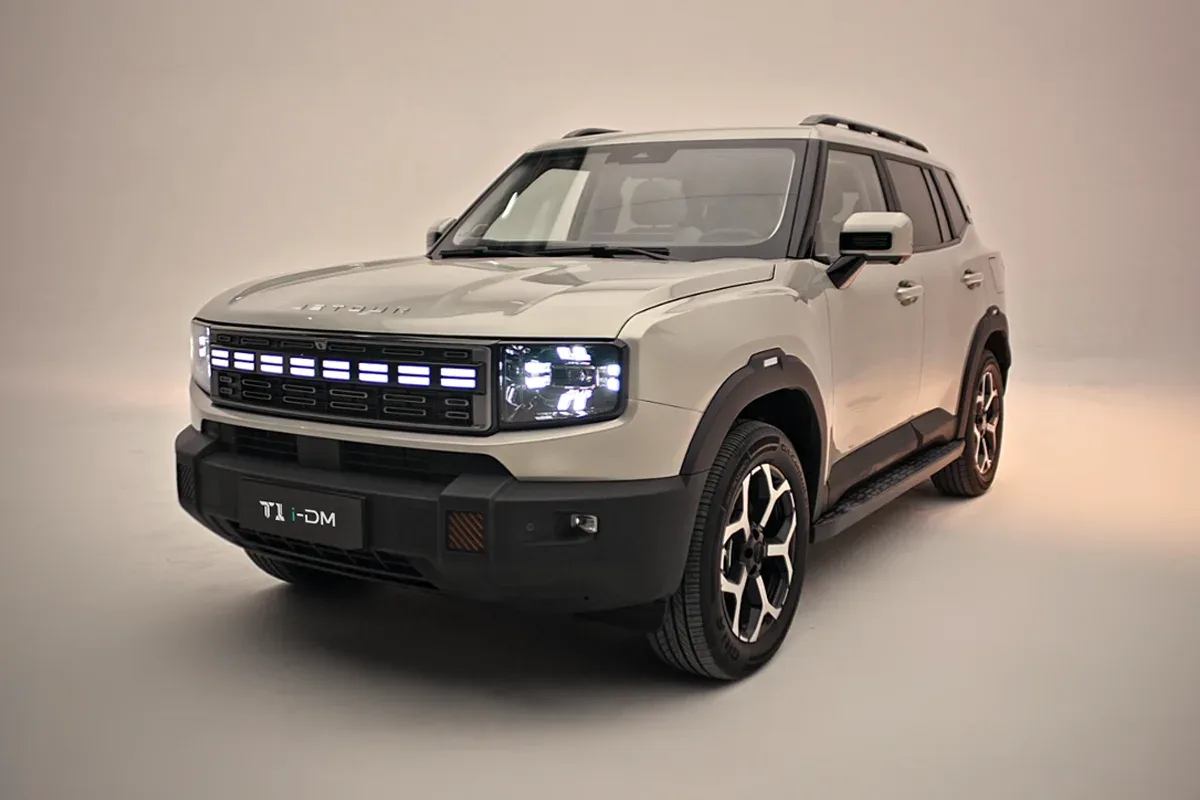
After nine months, the T1 has not disappointed us. Considering its equipment, technology, PHEV capability, comfort, and our experience with the vehicle so far, we consider its value for money to be more than fair. There are issues that Jetour should investigate and improve, particularly the unexplained SOC behavior. But none of the problems we have encountered so far has changed our overall experience with the vehicle. Nine months later, we still enjoy owning and driving it. And perhaps that is the most important conclusion of a long-term owner review. Specifications tell you what a vehicle promises on the day you buy it.
Ownership tells you whether it continues to deliver after the excitement of buying a new car is gone.


Comments
No comments yet. Be the first to join the discussion.