Tesla's long-awaited next-generation Roadster finally has another date with the spotlight. Tesla has confirmed that it will unveil the new Roadster on October 1, 2026, nearly nine years after the electric supercar was first shown to the public. The company teased the event with the words “Go for launch,” accompanied by the date 10.01, while CEO Elon Musk later confirmed that the announcement refers to the new Tesla Roadster.
The Roadster That Started Tesla
The Roadster name has special significance in Tesla's history. Before the Model S, Model 3, Model X, Model Y and Cybertruck, there was the original Tesla Roadster. Tesla first unveiled its original Roadster prototype in July 2006 and began regular production in March 2008. At the time, the idea of combining serious sports-car performance with an all-electric powertrain was still unusual.
The original Roadster demonstrated that an electric vehicle did not necessarily have to be a small, slow or purely practical commuter. Tesla claimed a 0–60 mph time of 3.9 seconds for the production Roadster — impressive performance for an EV arriving more than 18 years ago. The Roadster therefore became more than Tesla's first production vehicle. It helped establish the performance-focused identity that would eventually become an important part of the company's later vehicles.
A New Roadster Arrived in 2017 — At Least as a Prototype
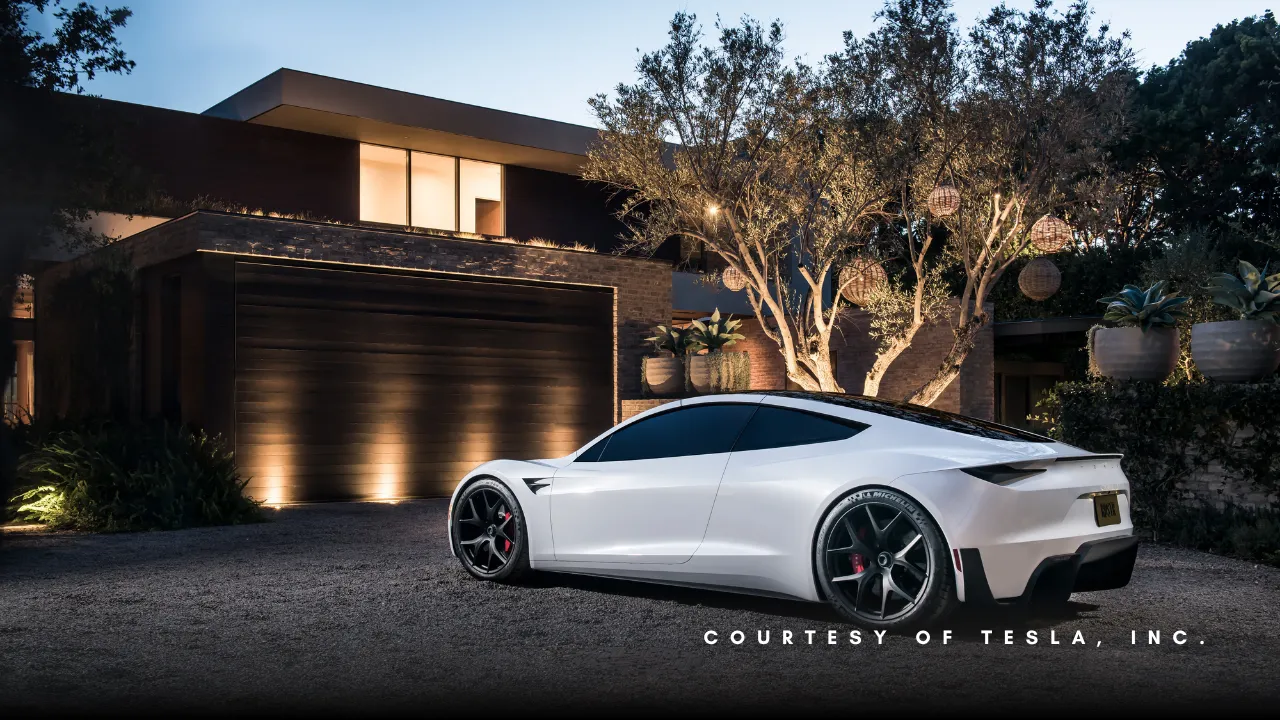
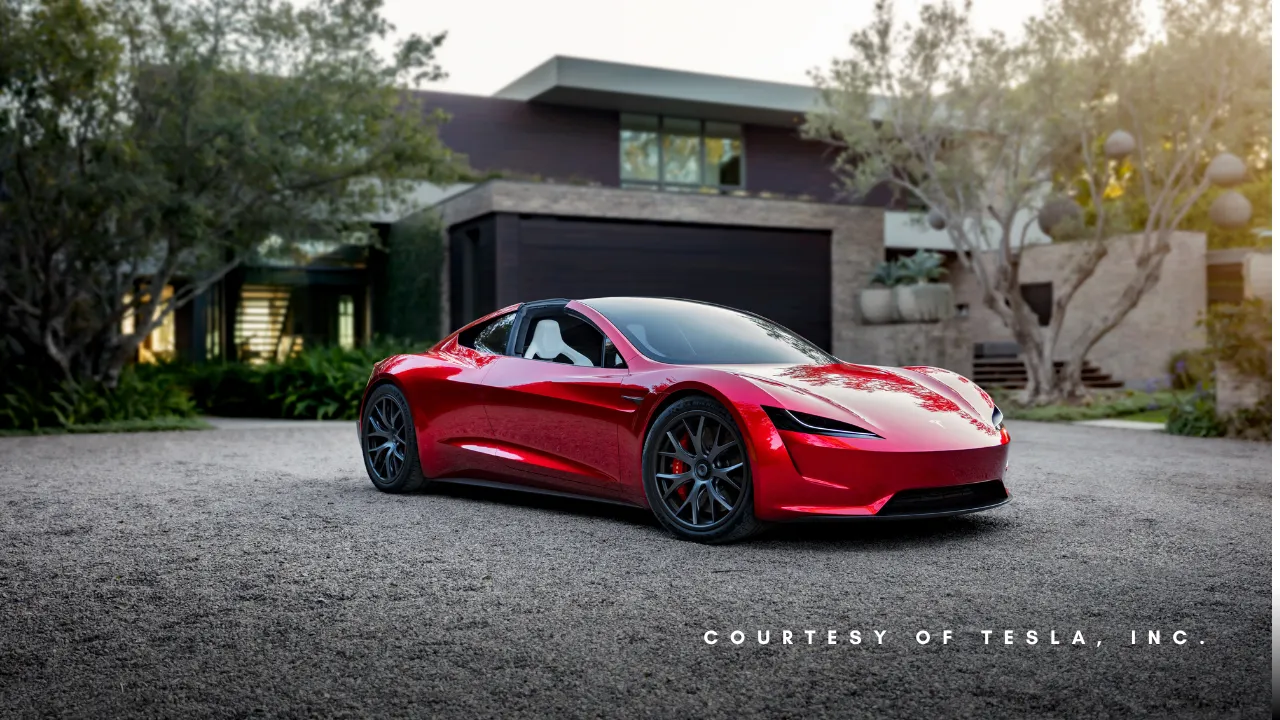
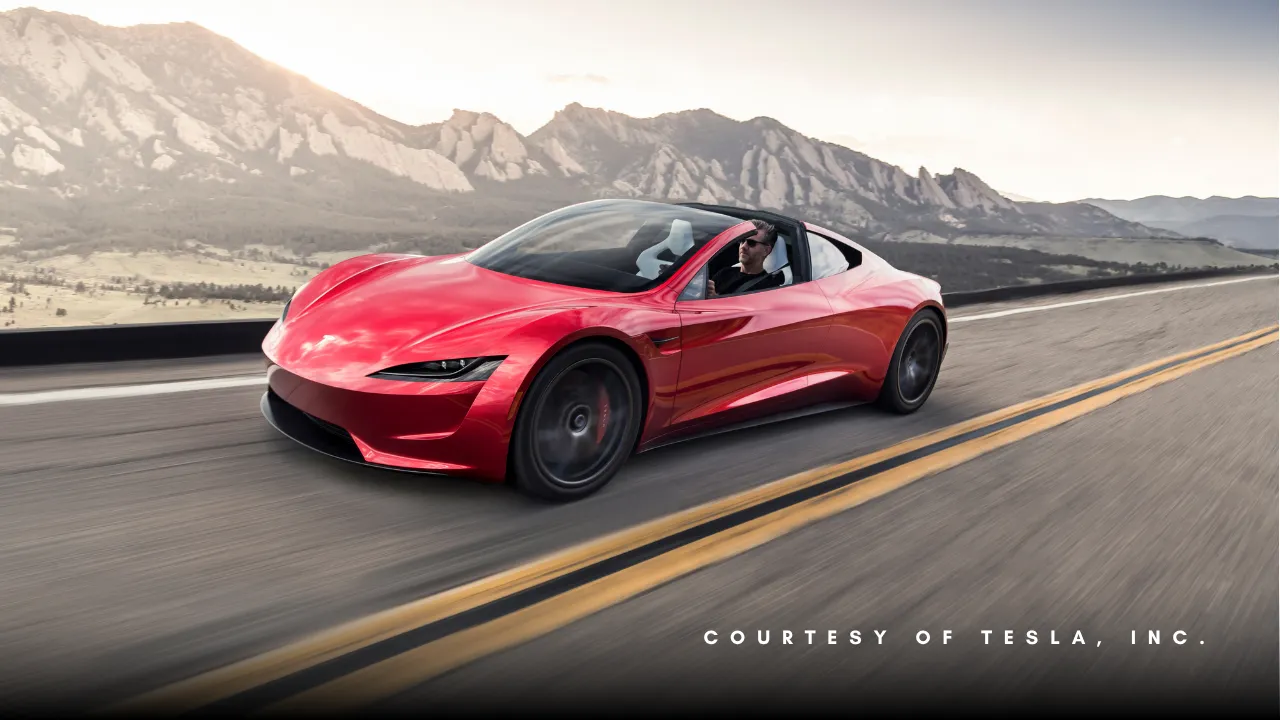
Tesla surprised the automotive world again in November 2017 when it revealed the second-generation Roadster. The specifications announced at the time were extraordinary. Tesla said the new Roadster would accelerate from 0–60 mph in just 1.9 seconds, exceed 250 mph (402 km/h) and offer approximately 620 miles (998 km) of driving range.
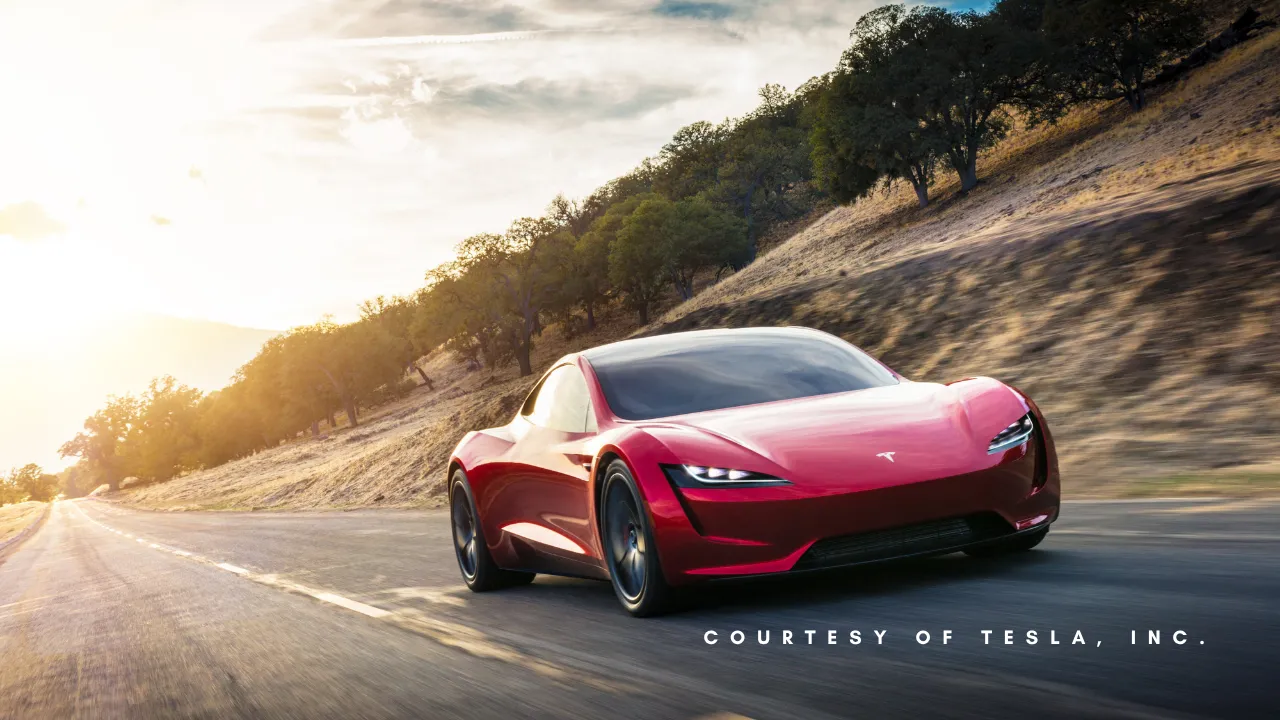
Tesla's current Roadster page continues to advertise those headline figures: 1.9 seconds to 60 mph, a top speed above 250 mph and up to 620 miles of range. Those numbers positioned the Roadster not simply as a fast electric vehicle, but as a potential challenger to some of the world's most exotic performance cars. There was just one problem. The car didn't arrive.
From 2020 to 2026: The Long Wait
When Tesla unveiled the second-generation Roadster, production was originally expected much earlier. Instead, the project went through repeated delays as Tesla concentrated on other vehicles and technologies. During those years, the EV performance landscape changed dramatically.
Electric cars became considerably quicker, battery technology improved, charging networks expanded, and manufacturers began producing electric performance cars capable of acceleration figures that would have seemed extraordinary when Tesla unveiled the Roadster in 2017. That means Tesla is no longer introducing the Roadster into the same market it was designed to disrupt nearly nine years ago. The company now has to demonstrate something substantially more advanced if it wants the Roadster to regain the technological shock value of the original prototype. And that may explain Tesla's unusual choice of words for the October announcement.
“Go for Launch”
Tesla's teaser did not simply say that a new car was coming. It said “Go for launch.” That language immediately drew attention because of Musk's repeated comments about incorporating technology associated with SpaceX into a special version of the Roadster. According to Reuters, the October unveiling could include a demonstration of a limited-edition Roadster equipped with cold-gas thrusters developed in collaboration with SpaceX.
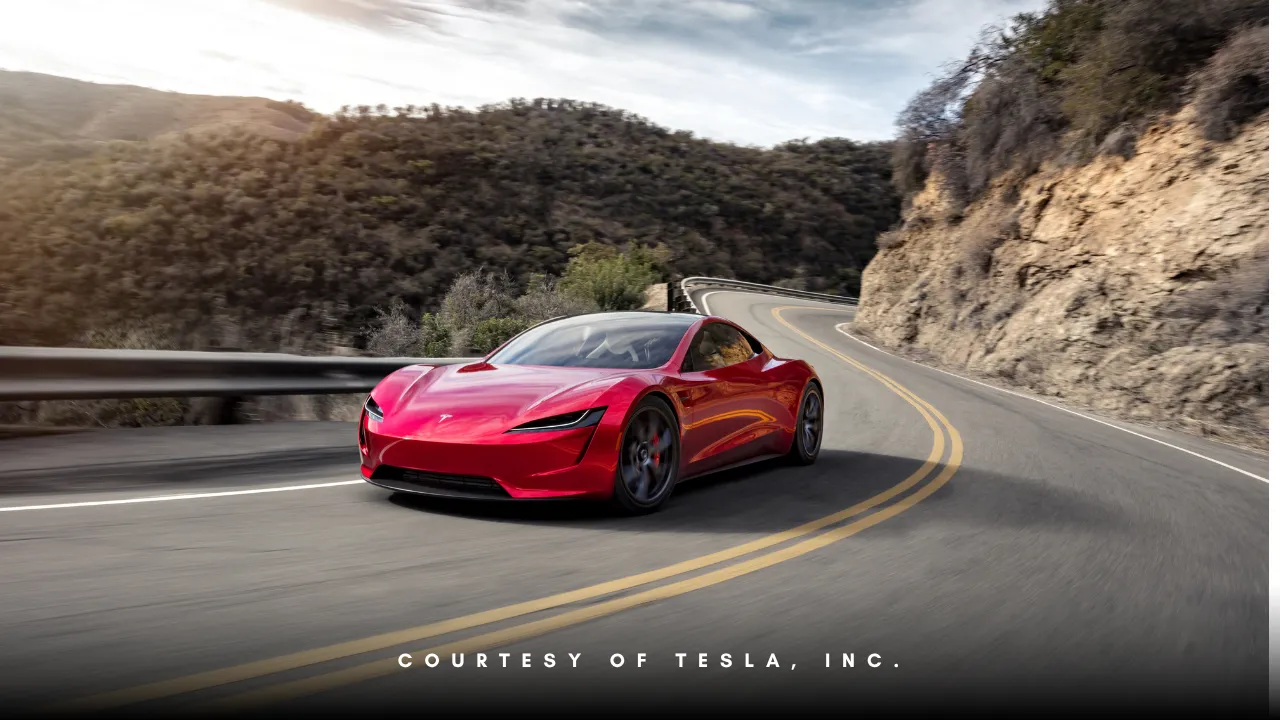
Such a system would be dramatically different from the electric motors normally responsible for vehicle acceleration. Musk has previously made increasingly ambitious statements about what a SpaceX-equipped Roadster could potentially do. However, until Tesla demonstrates the system and publishes final engineering specifications, those statements should be treated as development claims rather than confirmed production capabilities. October 1 could finally provide some answers.
Could the Roadster Actually Lift Off the Ground?
This is where the Roadster story becomes particularly unusual. Reports surrounding Tesla's development program have suggested that the thruster-equipped demonstration vehicle could briefly lift or “hover” rather than simply use the system to improve acceleration. If Tesla demonstrates such a capability, it would immediately become the headline of the event. But it would also create many new questions.
A demonstration vehicle capable of briefly lifting itself from the ground does not automatically mean the same system will be available — or legally usable — on a production road car. Tesla would have to address safety, packaging, weight, noise, reliability and regulatory requirements before such technology could become practical for customers. That makes the October event important not only because of what Tesla demonstrates, but also because of what the company says will actually reach production.
The Original Specifications Are Still Remarkable
Even without rocket-assisted technology, Tesla's published Roadster targets remain ambitious.
The company currently lists:
- 0–60 mph: 1.9 seconds
- Top speed: More than 250 mph
- Range: Up to 620 miles
- Powertrain: All-electric
When these figures were announced in 2017, they sounded almost unbelievable for a production electric car. Nearly nine years later, however, the Roadster will enter a much more competitive environment. Today's electric performance cars have pushed acceleration and power to levels that were previously associated only with highly specialized supercars and hypercars. Tesla therefore needs the new Roadster to do more than meet an old specification sheet. It needs to show what Tesla believes the next generation of electric performance should look like.
More Than Just Another Tesla
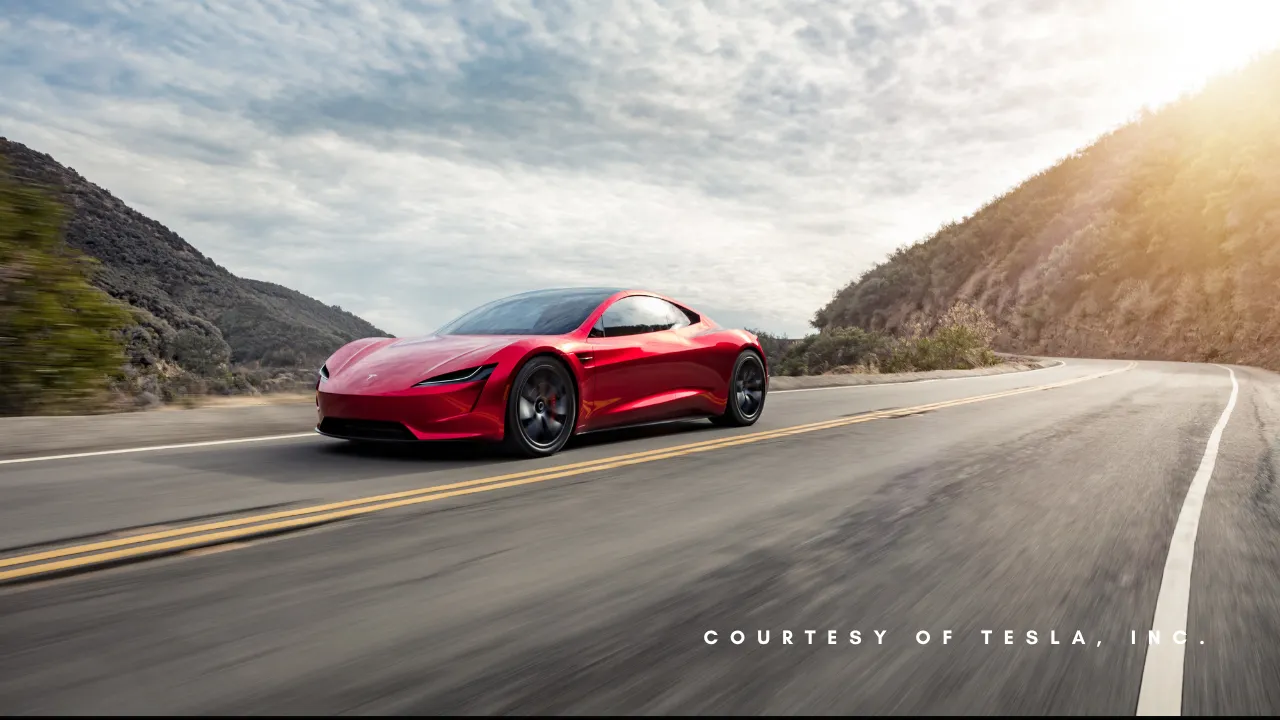 The Roadster also occupies an unusual position in Tesla's current strategy. Model 3 and Model Y are designed for high-volume markets. Cybertruck explores a radically different approach to the pickup truck. Cybercab represents Tesla's ambitions in autonomous transportation. The Roadster serves another purpose.
It can function as Tesla's technological showcase. A low-volume supercar does not necessarily need to become the company's best-selling vehicle. Instead, it can demonstrate technologies that may eventually influence other Tesla products. Advanced batteries, power electronics, thermal management, lightweight materials, aerodynamics and high-performance electric motors developed for a vehicle like the Roadster could potentially contribute to future vehicles. That was effectively the role played by Tesla's original Roadster almost two decades ago. The question is whether the new Roadster can do it again.
What We Need to See on October 1
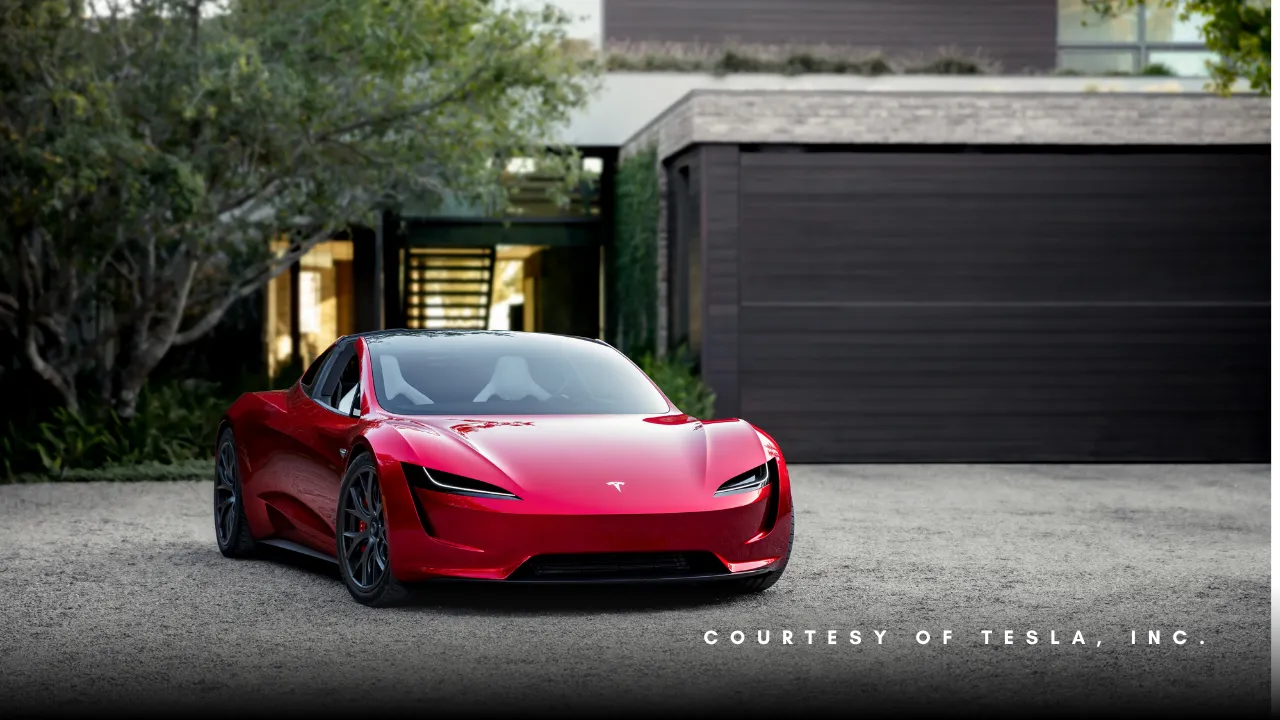
The October event should finally answer several questions that have followed the Roadster for years. The first is the production design. The prototype shown in 2017 is now nearly nine years old, so it will be important to see how extensively Tesla has redesigned the vehicle. The second is its final performance specification. Tesla still advertises the original headline figures, but battery cells, motors, electronics and competing EVs have changed considerably since those numbers were announced.
Then there is the SpaceX package. Tesla needs to explain exactly what the thruster system does, whether it is intended for production, how it affects acceleration and handling, and what limitations would apply to its use. Pricing is another major question. And perhaps most importantly, Tesla needs to provide a credible production and delivery timeline. After nearly nine years of waiting, another spectacular prototype alone may not be enough.
October 1 Could Be the Roadster's Most Important Day Yet
The Tesla Roadster has become one of the automotive industry's longest-running promises. When Tesla revealed the second-generation car in 2017, its specifications appeared to describe the future of electric performance. That future has partly arrived without it. EVs are now faster, more powerful and more capable than they were when the Roadster prototype first appeared. The challenge facing Tesla is therefore different in 2026. It no longer needs to prove that an electric car can be extraordinarily fast. Tesla needs to prove that the Roadster can once again move the performance benchmark forward. October 1 may finally show us whether it can.
Comments
No comments yet. Be the first to comment.