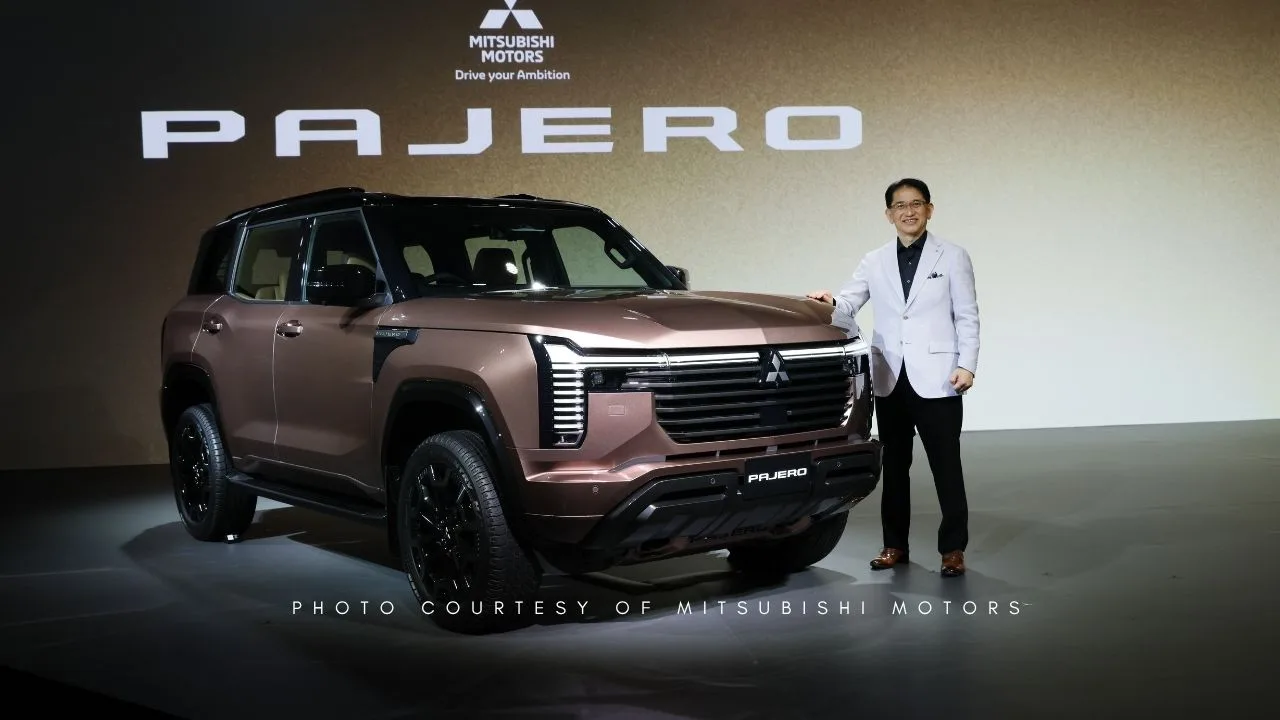
Mitsubishi Pajero Returns for 2027 With New Ladder-Frame Platform and Diesel Power
Mitsubishi Motors has officially brought back one of its most recognizable nameplates, unveiling the all-new Pajero on September 2, 2026, in Tokyo. Returning to the global market five years after the previous model was discontinued overseas, the new Pajero has been developed as Mitsubishi’s next-generation flagship SUV. It combines a ladder-frame chassis, seven-seat capability on selected variants, an upgraded turbo-diesel powertrain, and Mitsubishi’s latest four-wheel-drive and vehicle-control technologies.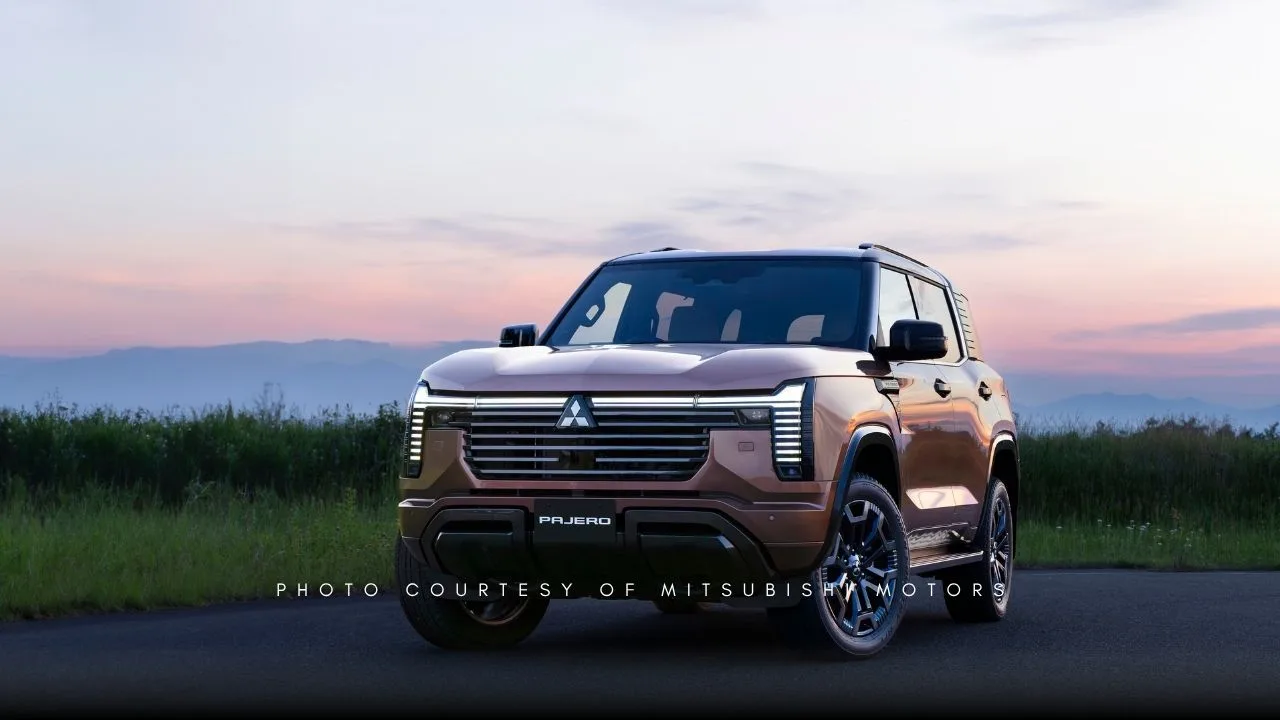
The fifth-generation Pajero will be produced in Thailand, where it will make its market debut before expanding to Japan and Australia during Mitsubishi’s 2026 fiscal year. Mitsubishi says the rollout will broaden significantly from fiscal 2027, with the SUV eventually planned for approximately 100 markets across ASEAN, Latin America, the Middle East, and other regions.
A New Generation Built Around Pajero’s Off-Road Heritage
The new Pajero is based on a highly rigid ladder-frame platform and shares its basic architecture with Mitsubishi’s Triton pickup, although the chassis and suspension have been developed specifically for the SUV. It measures approximately 4,920 mm long, 1,925 mm wide, and 1,910 mm tall, with a 2,870 mm wheelbase.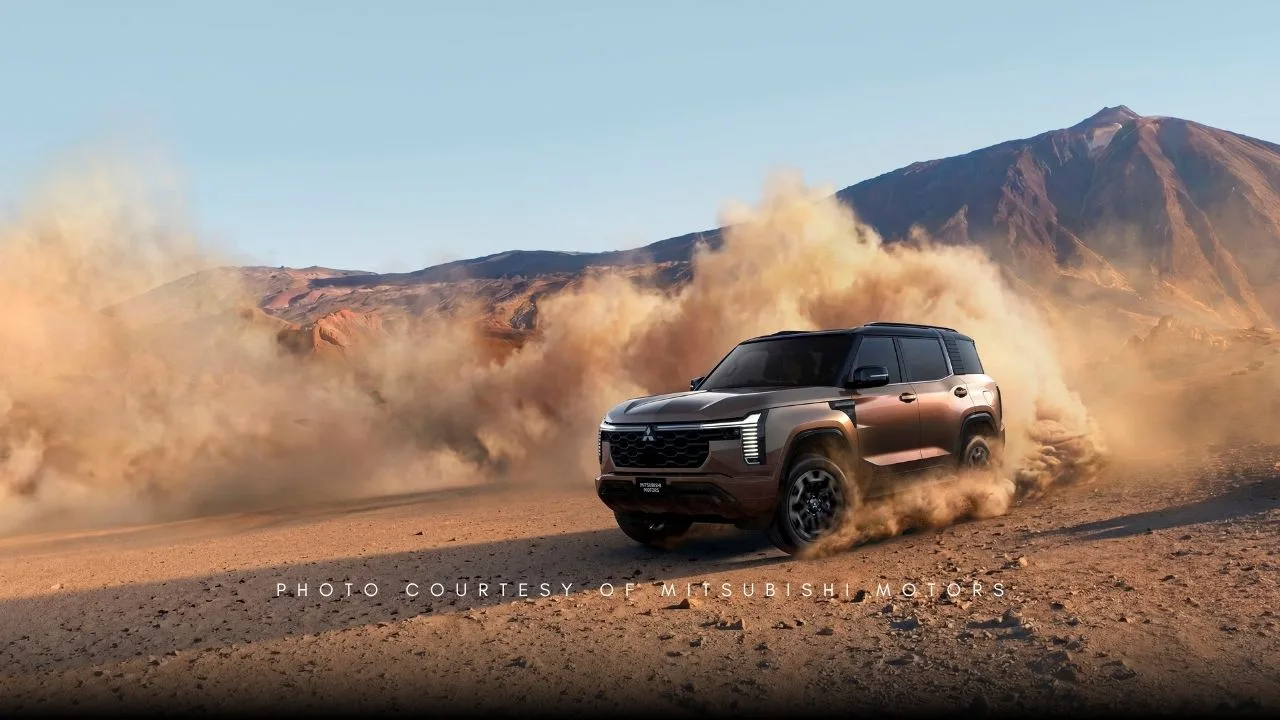
Ground clearance is 230 mm, while its approach, breakover, and departure angles are 30.4 degrees, 22.6 degrees, and 25.8 degrees, respectively. Suspension consists of an independent double-wishbone arrangement at the front and a five-link rigid-axle setup at the rear. Mitsubishi says the combination has been engineered to maintain tire contact over uneven terrain while improving ride comfort and stability during normal road driving.
2.4-Liter Turbo-Diesel and Eight-Speed Automatic
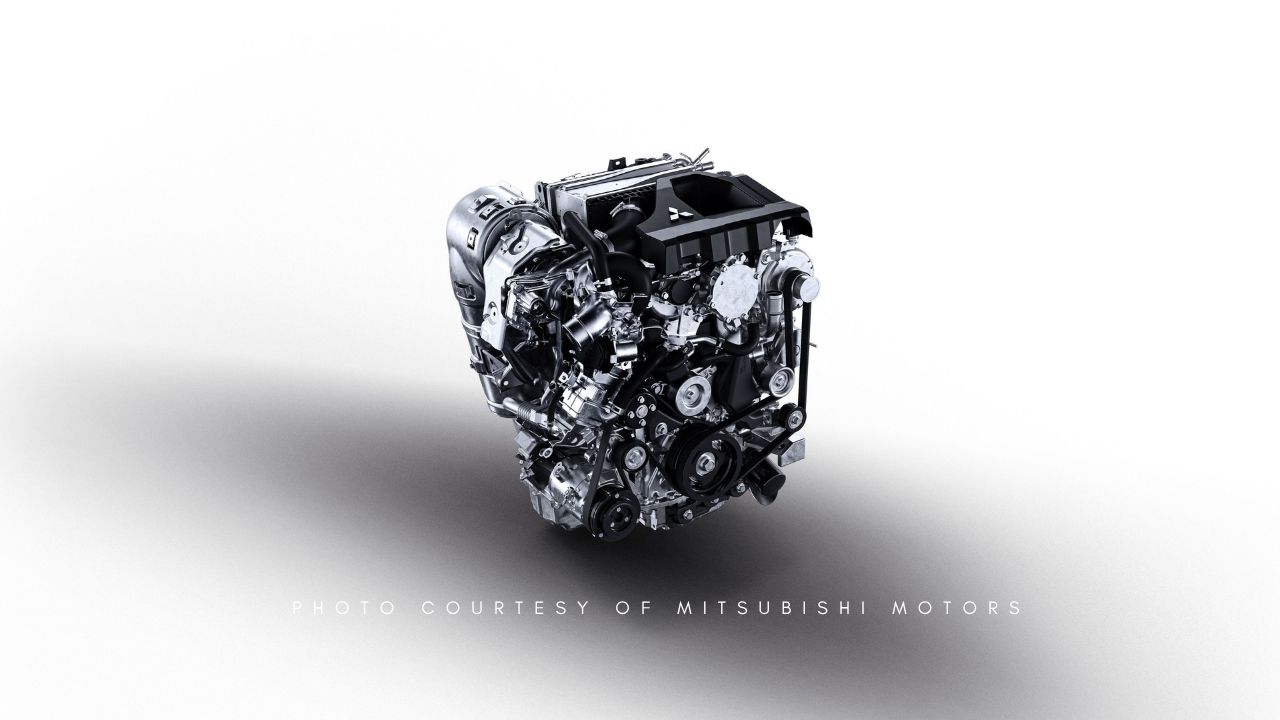
For Australia, the new Pajero is powered by a 2.4-liter four-cylinder turbo-diesel engine producing 150 kW, or approximately 201 hp, and 480 Nm of torque. The engine is paired with an eight-speed automatic transmission, replacing the six-speed automatic used in the Triton on which the new SUV is based.
 Power is delivered through Mitsubishi’s Super Select 4WD-II system, which allows drivers to select different four-wheel-drive settings depending on road and terrain conditions. The Pajero also receives Mitsubishi’s Super All-Wheel Control, or S-AWC, which coordinates acceleration, braking, and cornering control to improve vehicle stability and traction. Seven selectable drive modes are available: Normal, Eco, Gravel, Snow, Mud, Sand, and Rock. These modes alter vehicle systems to suit different driving surfaces and conditions.
Modern Cabin With Up to Seven Seats
The fifth-generation Pajero receives a significantly redesigned interior as Mitsubishi moves the model further into the premium large-SUV segment. Depending on specification, the cabin features dual 12.3-inch or 14.3-inch displays for the digital instrument cluster and infotainment system.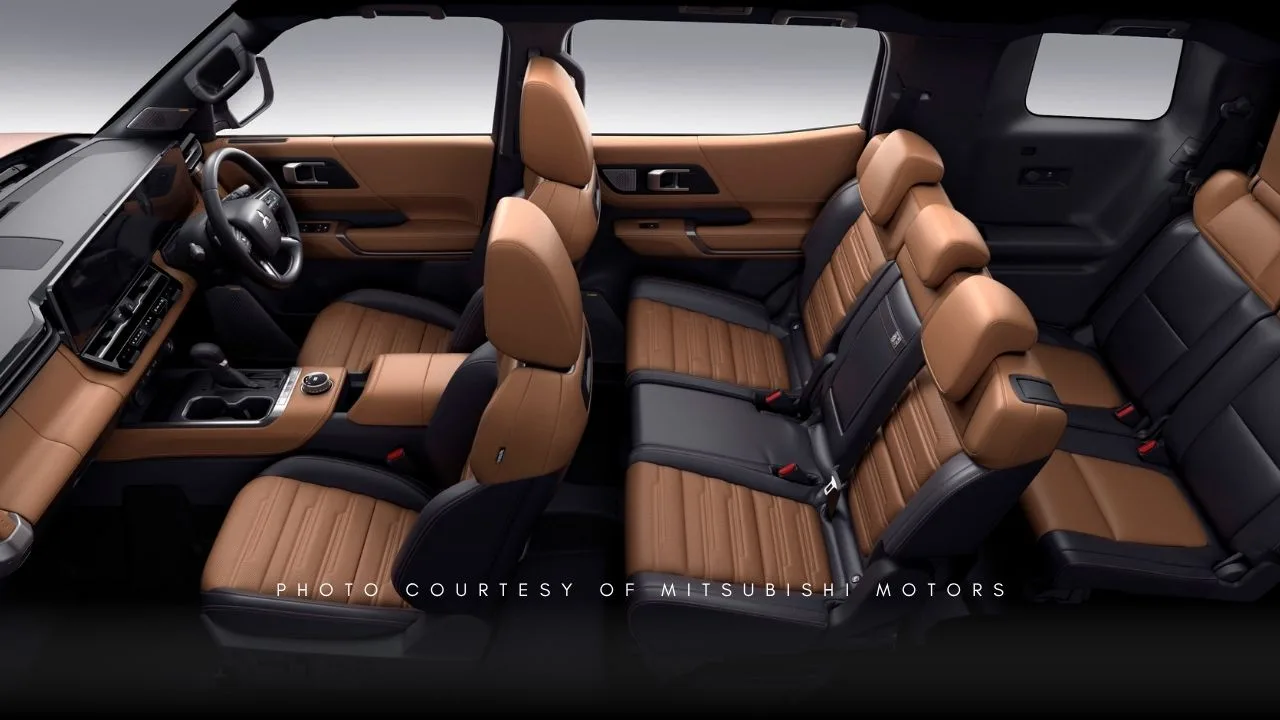
Higher-specification versions are available with equipment including ventilated and power-adjustable front seats, tri-zone automatic climate control, and a 12-speaker Yamaha audio system. Mitsubishi has also focused on reducing noise inside the cabin through additional insulation and acoustic glass. Seven-seat versions use a three-row configuration, with a sliding second row designed to improve passenger flexibility and access to the third-row seats.
New Technology for Road and Trail
Technology is another major part of the new Pajero’s update. A Multi-Around Monitor uses cameras positioned around the vehicle to provide the driver with a clearer view of nearby obstacles. An under-floor view is also available to help drivers see terrain immediately ahead of the vehicle when navigating difficult trails.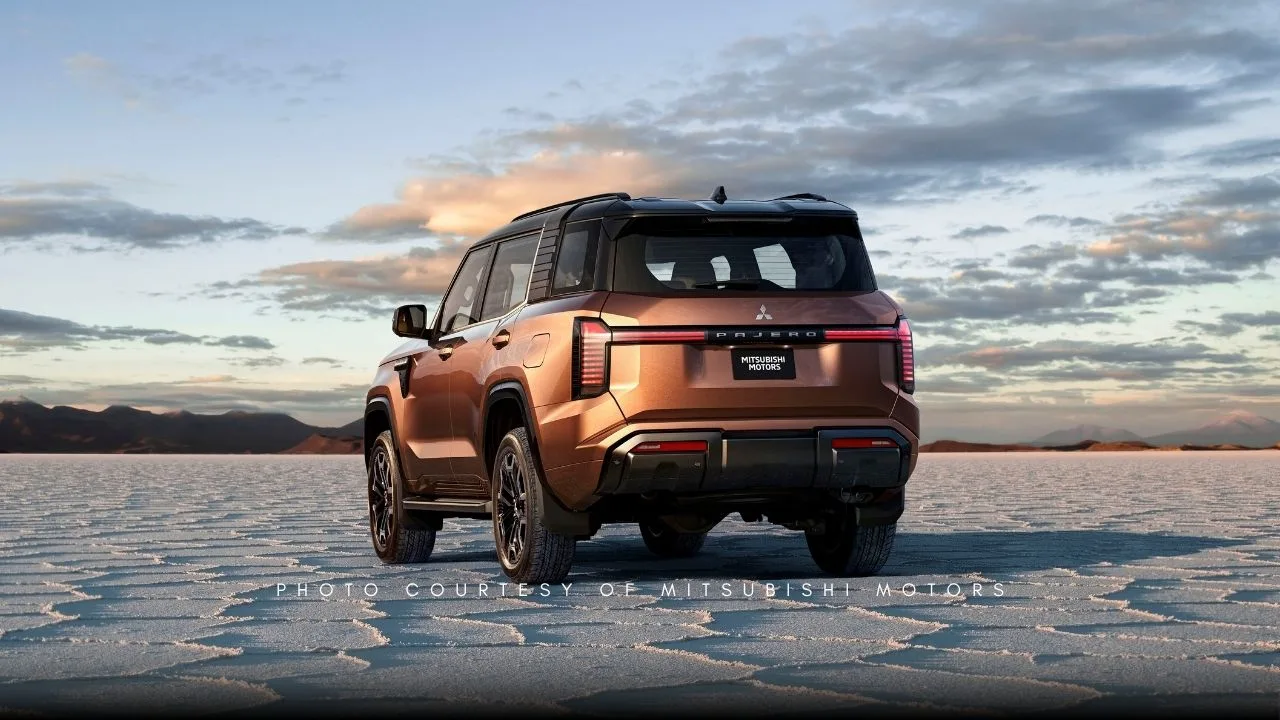
The Pajero also revives Mitsubishi’s Multi Meter concept in digital form. It can display information including altitude, compass direction, outside temperature, vehicle pitch and roll angles, and left-to-right torque distribution. Connectivity features include Mitsubishi Connect services along with wireless Apple CarPlay and Android Auto on Australian models.
Expanded Driver-Assistance and Safety Systems
The new Pajero also receives an expanded suite of active safety and driver-assistance technologies. Depending on market and specification, these include adaptive cruise control, lane-related assistance, blind-spot monitoring, and autonomous emergency braking capable of detecting vulnerable road users. Australian specifications list eight airbags, including a center airbag positioned between the front occupants. The additional safety technology represents a significant update for the Pajero as Mitsubishi prepares the model to compete in a segment where advanced driver-assistance equipment has become increasingly important.
Australian Pricing Starts at AU$68,490
Australia will be among the first export markets to receive the new Pajero, with customer deliveries expected to begin in December 2026.
The Australian range starts with the five-seat Pajero GLS at AU$68,490 before on-road costs, while adding a third row raises the GLS seven-seat version to AU$69,990. The seven-seat Exceed is priced from AU$79,990, while the flagship GSR starts at AU$84,990, all before on-road costs. The pricing places the new Pajero among established large four-wheel-drive SUVs including the Toyota Land Cruiser Prado and Ford Everest.
Mitsubishi Revives One of Its Most Important Nameplates
The Pajero name dates back to 1982 and became closely associated with Mitsubishi’s four-wheel-drive engineering over four generations. More than 3.29 million Pajero's were produced across the first four generations, with the SUV sold in more than 170 countries and regions. Its reputation was also strengthened through motorsport, particularly the Dakar Rally, where Pajero-based competition vehicles recorded 12 overall victories.
The previous Pajero was eventually withdrawn from global markets in 2021, ending nearly four decades of continuous production. Its return gives Mitsubishi a new flagship positioned above the brand’s existing SUV range and brings the Pajero name back into a large off-road SUV market that has changed considerably during its absence.
A New Chapter for the Pajero
With production beginning in Thailand and a broader international rollout planned from 2027, the fifth-generation model marks the start of a new chapter for one of Mitsubishi’s longest-running and most recognizable nameplates.
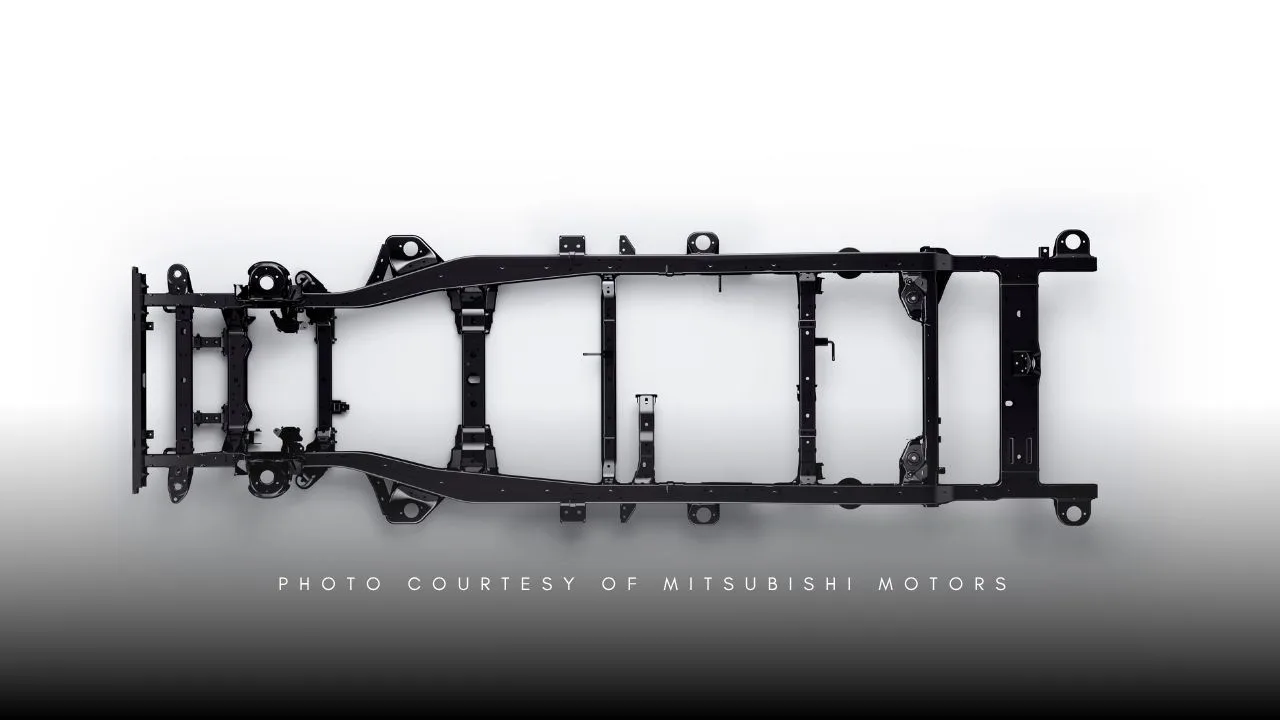 Its ladder-frame construction, diesel powertrain, Super Select 4WD-II system, updated S-AWC technology, and more sophisticated cabin show that Mitsubishi is retaining the Pajero’s traditional off-road focus while adapting it to the expectations of today's large-SUV market.


Comments
No comments yet. Be the first to comment.