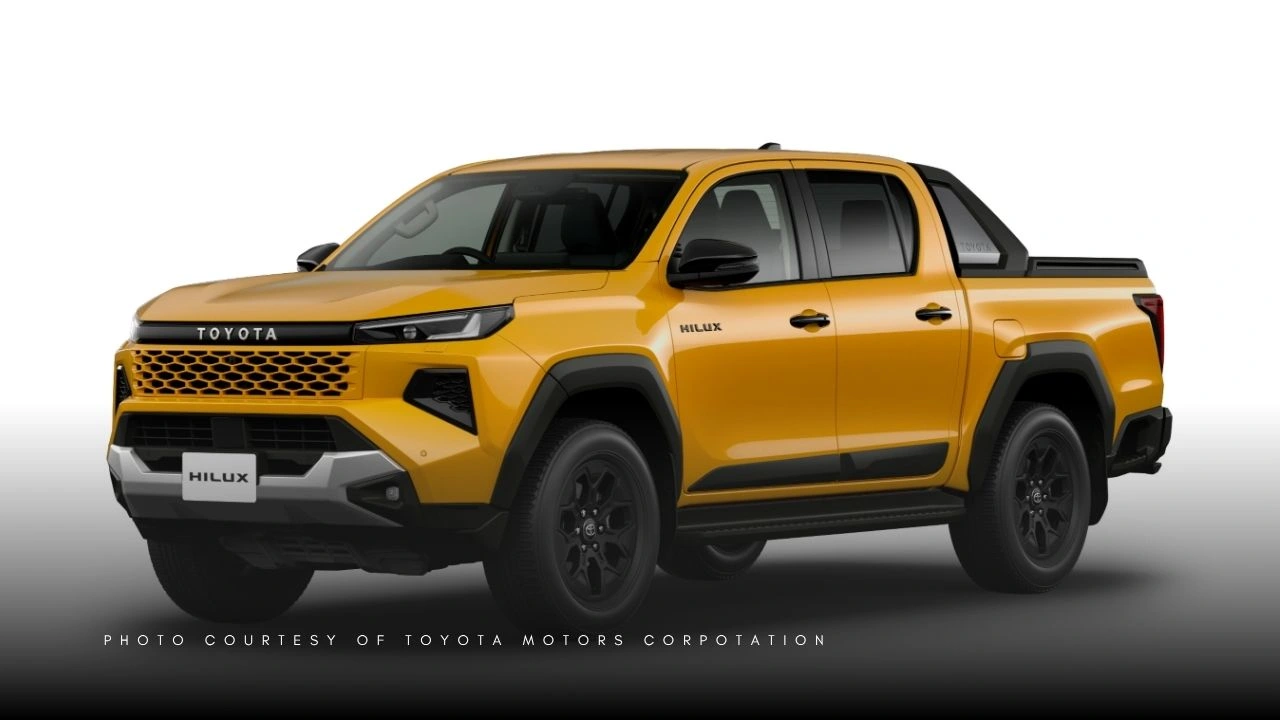
2026 Toyota HiLux Review: A Smarter, Smoother Workhorse With Electric Ambitions
For decades, the Toyota HiLux has built its reputation around toughness, reliability, and the ability to handle demanding work. For 2026, Toyota is not abandoning that formula. Instead, it is giving the HiLux a significant update aimed at making the pickup more comfortable, technologically advanced, and ready for an increasingly electrified future.
The result is a HiLux that still feels familiar at its core but is better suited to modern everyday driving. Revised suspension tuning, improved steering, a more advanced cabin, and new electrified powertrain options broaden its appeal beyond the traditional workhorse market.
Perhaps the biggest change, however, is the arrival of a fully electric HiLux. It marks an important step for one of Toyota's most recognizable utility vehicles and gives buyers an early look at how the HiLux could evolve in the years ahead.
What’s New for 2026?
Rather than completely reinventing the HiLux, Toyota has concentrated on improving the areas that matter most to owners. The exterior has been refreshed, the cabin receives a substantial technology upgrade, and changes to the suspension and steering are designed to make the truck easier and more comfortable to drive. In Australia, the engine lineup has also been simplified. The previous 2.7-liter petrol and 2.4-liter diesel options have been removed, leaving the familiar 2.8-liter turbo-diesel as the main combustion engine.
Selected versions also incorporate Toyota's 48-volt mild-hybrid technology. More importantly, the HiLux range is expanding beyond diesel. A battery-electric version joins the family, while Toyota has also confirmed plans for a hydrogen fuel-cell HiLux in the future.It is a clear example of Toyota's multi-pathway strategy: instead of relying on a single solution, the company is developing diesel, mild-hybrid, battery-electric, and hydrogen technologies for different types of customers and operating conditions.
Tougher Outside, More Modern Inside
The 2026 HiLux retains the rugged proportions expected of a pickup, but Toyota has given the front end a stronger and more contemporary appearance. New lighting signatures, revised styling details, and updated wheel designs help distinguish the latest model from its predecessor without dramatically changing the HiLux's familiar character.
The bigger transformation happens inside. Toyota has modernized the dashboard and infotainment system, addressing an area where newer competitors have increasingly raised expectations.
A 12.3-inch touchscreen is available across the range, bringing wireless Apple CarPlay and Android Auto along with satellite navigation and DAB+ digital radio.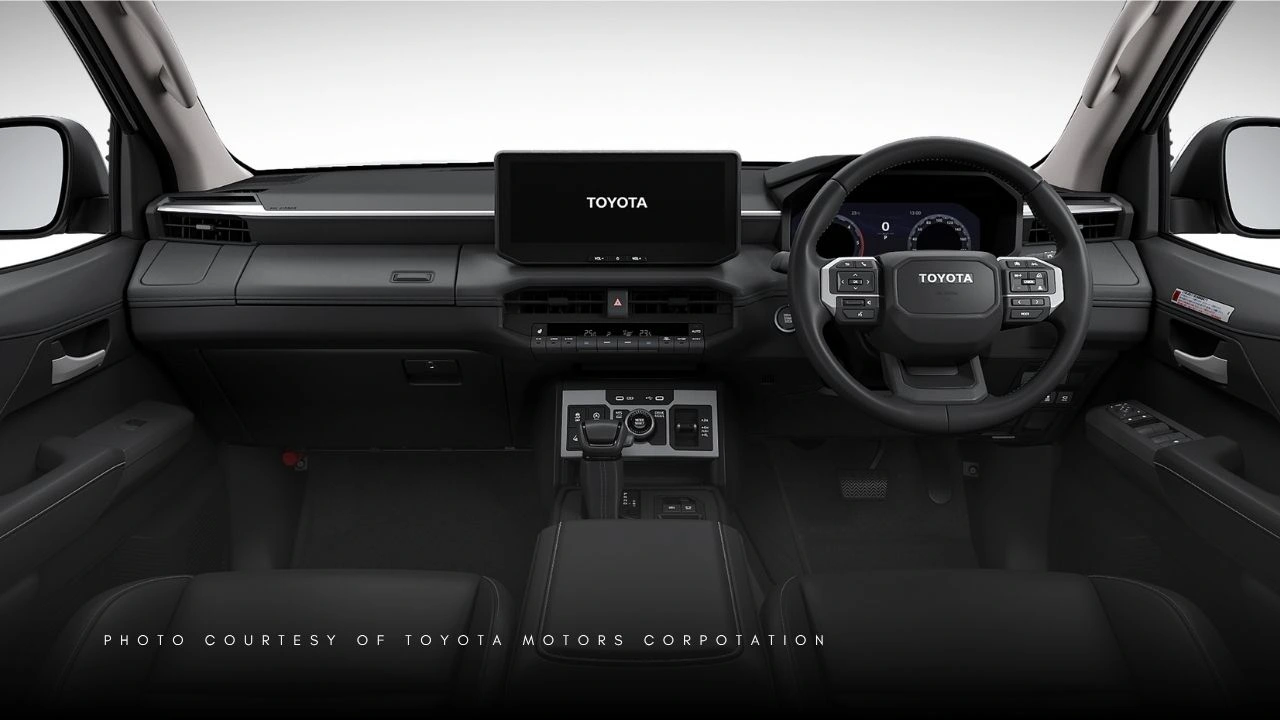 Entry-level WorkMate and SR versions use a 7-inch instrument display, while SR5 and higher grades step up to a larger 12.3-inch digital instrument cluster.
The improvements are not simply about adding bigger screens. Better ergonomics and updated materials help make the cabin feel more suitable for drivers who may spend hours behind the wheel.The HiLux cabin can still feel relatively compact beside some of the larger pickups in the segment, but the overall environment is considerably more modern than before.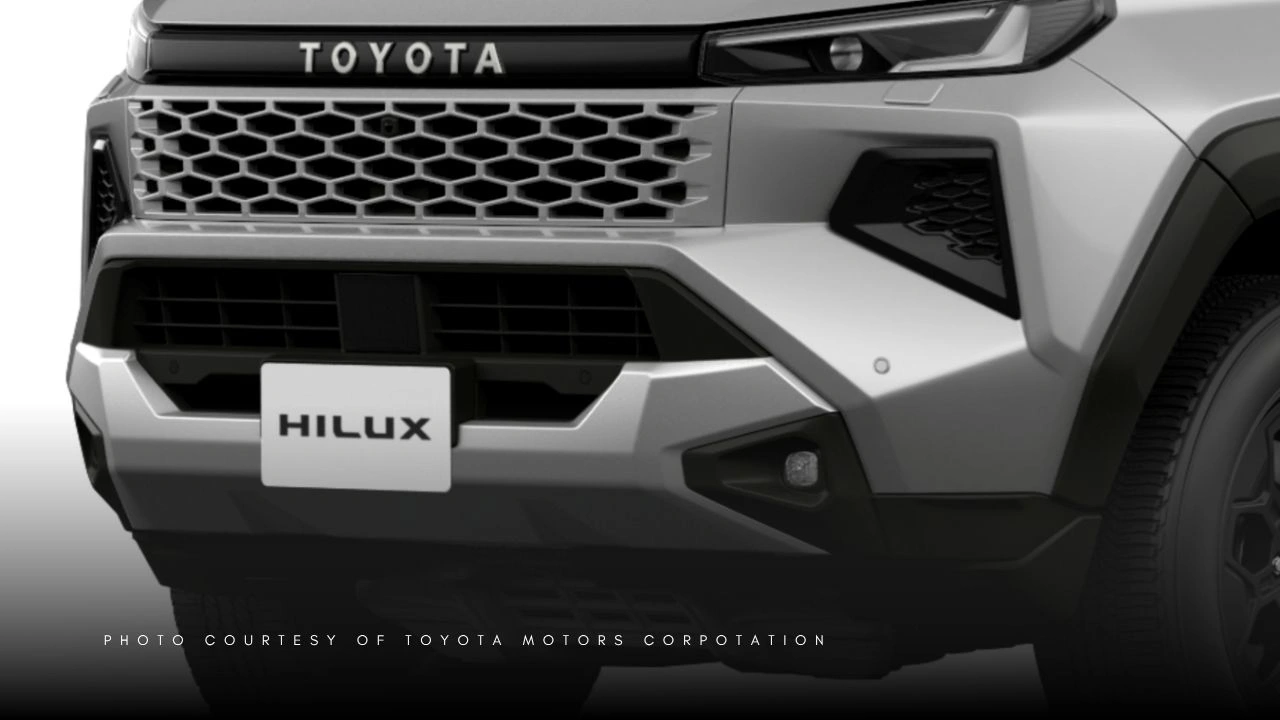
Safety Gets an Upgrade
Safety technology has also been strengthened. The latest HiLux introduces an enhanced suite of driver-assistance systems together with improvements to occupant protection. The model has achieved a five-star ANCAP safety rating, recording 84 percent for adult occupant protection, 89 percent for child occupant protection, 82 percent for vulnerable road-user protection, and 82 percent for safety assistance. For a vehicle frequently used as both a work truck and family vehicle, these improvements are particularly important.
The Familiar 2.8-Liter Turbo-Diesel Remains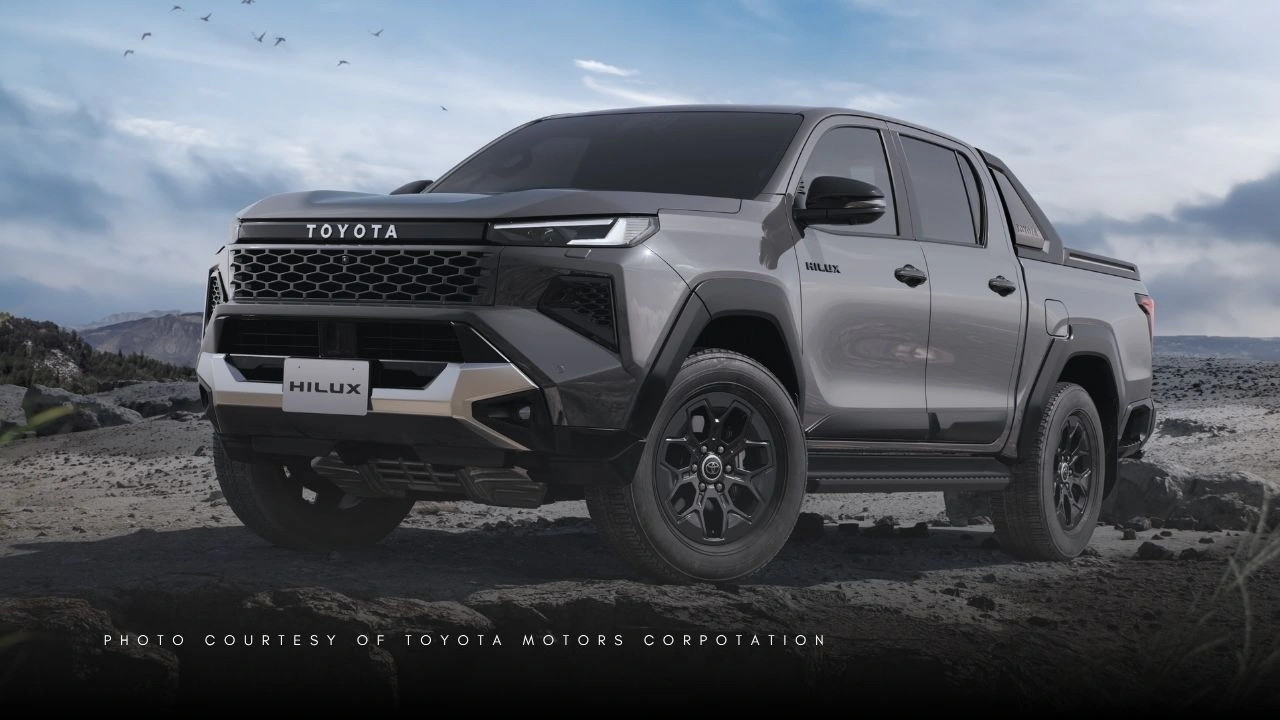
Despite the growing emphasis on electrification, diesel remains central to the HiLux lineup. Toyota's familiar 2.8-liter turbo-diesel produces up to 150 kW and 500 Nm of torque when paired with the six-speed automatic transmission. Manual versions produce up to 420 Nm. Depending on the grade, buyers can choose between six-speed manual and automatic transmissions, while selected automatic models receive a 48-volt mild-hybrid system.
The 48V system does not turn the HiLux into a full hybrid. Instead, it assists the diesel engine during certain driving situations and can recover energy during deceleration. For buyers who use their trucks for towing, the diesel remains the obvious choice. Many 4×4 automatic versions are rated to tow as much as 3,500 kg braked, while 4×2 versions can offer capacities of around 2,900 kg depending on configuration.
Combined fuel consumption is approximately 7.1 to 8.1 L/100 km, depending on body style, drivetrain, and specification. The 2.8-liter engine remains strong where a pickup needs it most: low-end torque and dependable pulling power. It may not be the most refined or most powerful diesel in today's increasingly competitive pickup market, but its proven nature remains one of the HiLux's biggest selling points.
HiLux Goes Fully Electric
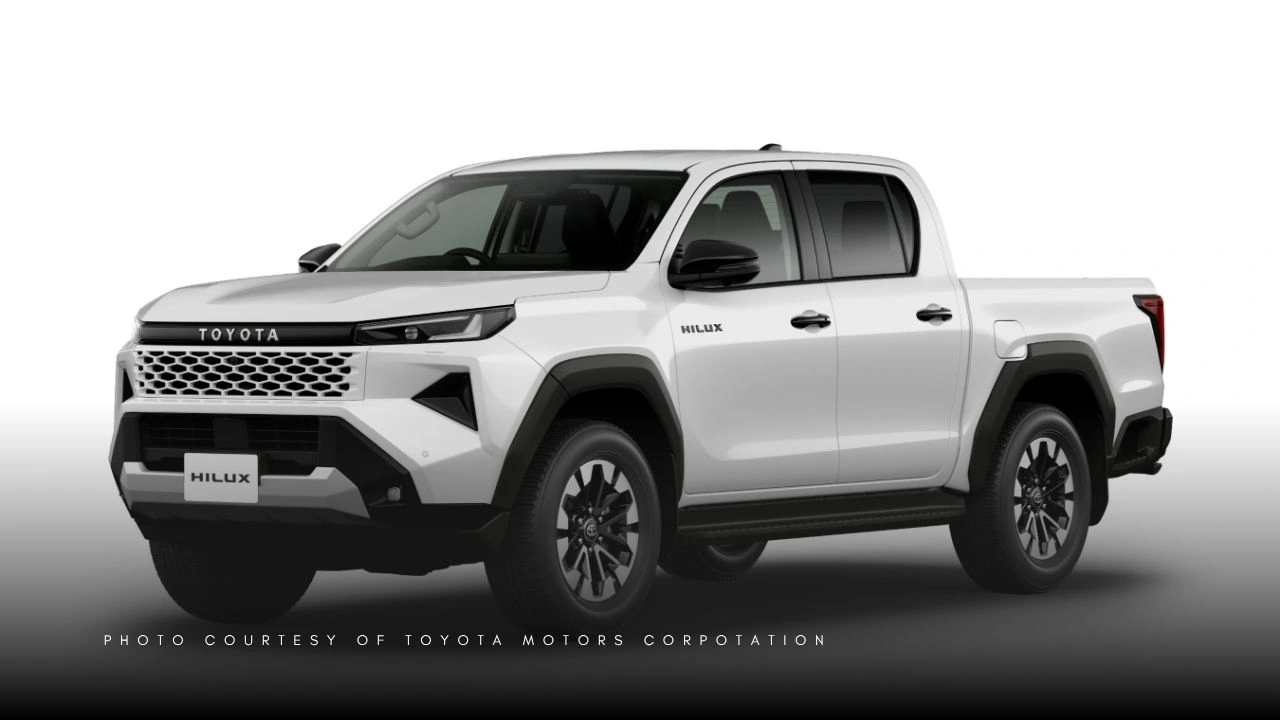
The most interesting addition to the range is undoubtedly the HiLux BEV. For the first time, Australian buyers can have a production HiLux powered entirely by electricity. The electric model uses a dual-motor all-wheel-drive system and produces a combined 144 kW, giving the HiLux the instant response and quiet operation associated with an electric drivetrain.
Energy comes from a 59.2 kWh lithium-ion battery pack. Toyota claims a driving range of up to 315 km for HiLux BEV Pick-Up models, while the Cab-Chassis version is rated at 245 km under test conditions. Those numbers reveal where Toyota sees the electric HiLux fitting into the market.
This is not yet an electric pickup primarily designed for long-distance touring through remote areas. Instead, Toyota has developed the BEV particularly with mining, government, fleet, and business customers in mind—especially operations where vehicles follow predictable routes and return to a base where they can be regularly charged.
Electric Power Comes With Compromises
While the electric HiLux offers quiet operation, instant torque, and zero tailpipe emissions, electrification brings some compromises compared with the diesel. The Australian HiLux BEV has a braked towing capacity of 2,000 kg, substantially below the maximum 3,500 kg available from selected diesel HiLux variants.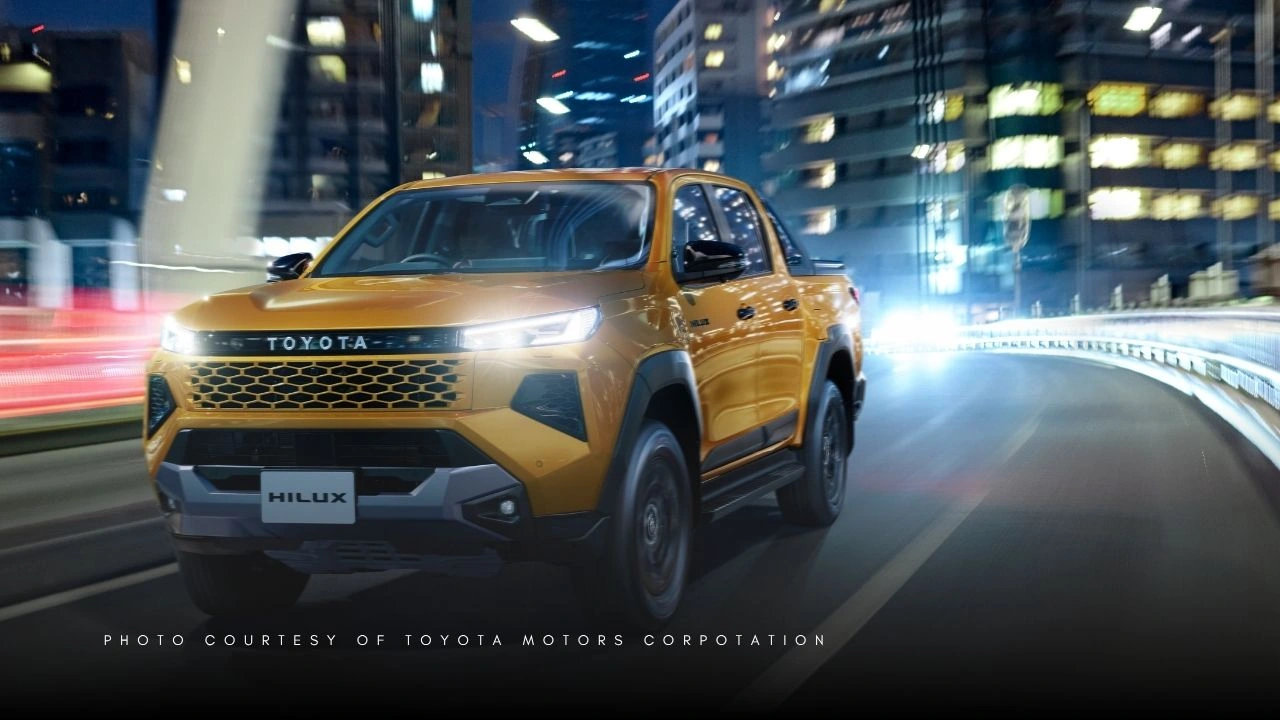
Payload varies according to configuration, ranging from approximately 715 kg to 855 kg. Range must also be considered carefully. Toyota's claimed figures are achieved under controlled test conditions, and actual driving range can be affected by payload, towing, speed, terrain, weather, driving style, and other conditions.
For this reason, the electric HiLux currently looks less like a universal replacement for the diesel HiLux and more like an additional tool designed for specific applications. For the right business, however, that could make considerable sense. A fleet vehicle that returns to the same depot each evening can be charged overnight and begin the next working day with a replenished battery. Quiet electric operation could also prove useful for urban work, mining operations, industrial facilities, and other environments where reducing local emissions and noise is beneficial.
Hydrogen Is Also Coming
Toyota's electrification plans for the HiLux do not end with batteries. Toyota Australia has confirmed that a hydrogen fuel-cell electric HiLux is scheduled to join the range in 2028. The planned FCEV is another part of Toyota's multi-pathway approach, which is bringing diesel, 48-volt electrification, battery-electric and eventually hydrogen fuel-cell technology to the HiLux family. Whether hydrogen becomes practical for pickups on a larger scale will depend heavily on infrastructure, hydrogen availability, and operating costs. Nevertheless, the development of both BEV and FCEV versions shows that Toyota is exploring several possible paths for the future of one of its most important utility vehicles.
Hydrogen Is Also Coming
Toyota's electrification plans for the HiLux do not end with batteries. A hydrogen fuel-cell electric version has also been confirmed for Australia, although its arrival is expected later, around 2028. Fuel-cell vehicles generate electricity onboard using hydrogen, allowing them to operate using electric motors without depending on a large battery pack as their primary energy source. Whether hydrogen becomes practical for pickups will depend heavily on infrastructure, fuel availability, and operating costs. Still, Toyota's decision to pursue the technology alongside diesel, mild-hybrid, and battery-electric power shows that the company believes different applications may require different solutions.
A More Comfortable HiLux
One of the most important improvements for everyday owners may have nothing to do with engines or batteries. Toyota has revised the HiLux suspension, particularly on SR5, Rogue, and Rugged X variants, with the goal of providing a smoother and more compliant ride on paved roads. Electric power-assisted steering also reduces steering effort, making the truck easier to maneuver around town and potentially less tiring during long journeys.
The HiLux has traditionally prioritized durability and load-carrying ability over passenger-car-like comfort. The latest changes attempt to find a better balance between those two priorities. It still behaves like a pickup, particularly over broken surfaces, and lower grades with heavier-duty suspension can still feel somewhat firm or jittery when unloaded. Nevertheless, the improvements should make the 2026 model a more pleasant everyday vehicle.
Still Built for the Rough Stuff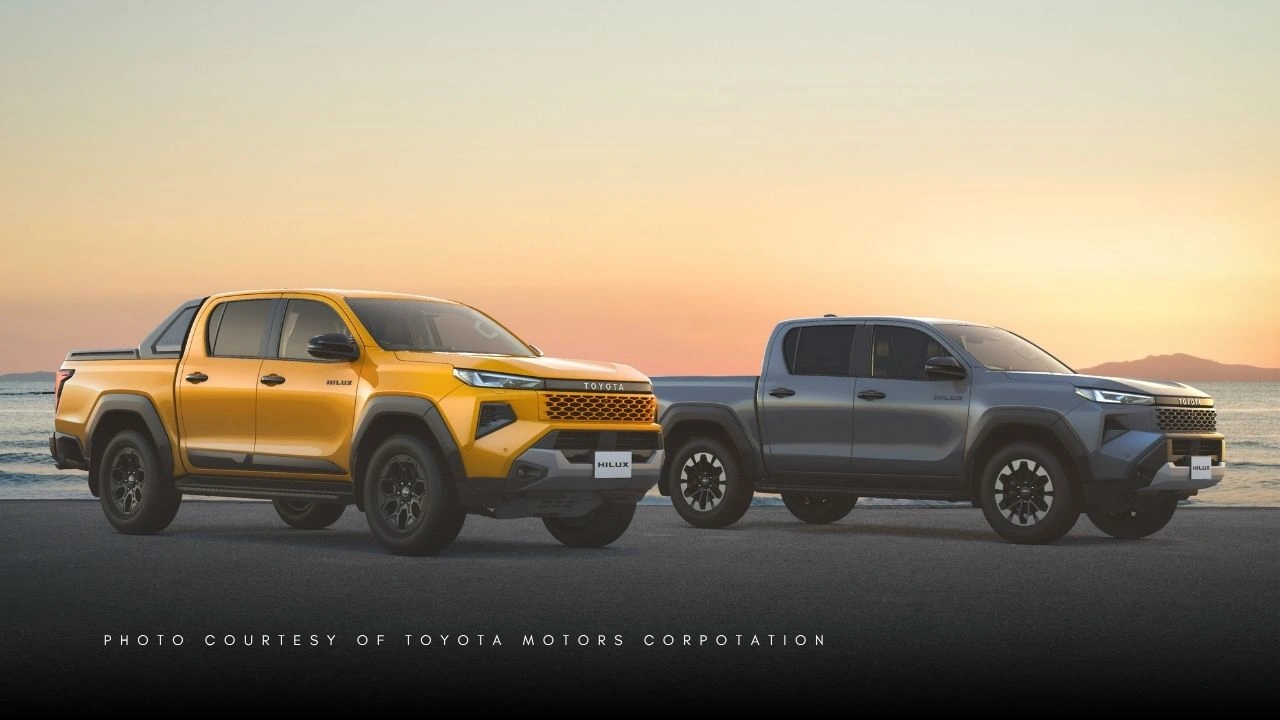
Improved road manners have not removed the HiLux's traditional off-road focus. Depending on specification, the 4×4 lineup retains features such as part-time four-wheel drive, a rear differential lock, underbody protection, and Multi-Terrain Select. Automatic 4×4 Double-Cab models, excluding certain WorkMate configurations, can use different terrain modes to adjust vehicle systems according to the surface. This remains an important part of the HiLux identity. For many buyers, particularly those operating in rural or remote environments, durability and off-road capability matter far more than large infotainment screens or acceleration figures. Toyota appears well aware of that.
Australian Pricing and Model Range
The 2026 Australian HiLux lineup continues to cover a wide range of buyers, from basic commercial operators to customers looking for a premium recreational pickup. The WorkMate remains the entry point, with single-cab, extra-cab, and double-cab configurations depending on drivetrain. Pricing begins at approximately AUD 33,990 before on-road costs for the Single-Cab Chassis 4×2 manual.
The SR adds more equipment and is available in several body and drivetrain combinations, with selected automatic versions offering the 48V mild-hybrid system. Prices generally sit around AUD 52,990 to AUD 57,990 depending on configuration. Moving up to the SR5 brings additional comfort and technology, along with the improved suspension setup. Pricing is approximately AUD 63,990 to AUD 64,490 before on-road costs.
Rogue and Rugged X models sit toward the premium and off-road-focused end of the range, with prices around AUD 71,990. The electric HiLux carries a substantial premium. The BEV lineup starts at approximately AUD 74,990 for the SR, while the better-equipped SR5 can reach around AUD 82,990 before on-road costs.
Ownership and Running Costs
Toyota backs the HiLux with a five-year, unlimited-kilometer vehicle warranty in Australia. Eligible engine and driveline coverage can extend to seven years when servicing requirements are met through Toyota's dealer network. Diesel servicing is scheduled every six months or 10,000 km, with capped-price servicing available during the initial ownership period. The BEV receives its own servicing program, with five years of capped-price servicing costing approximately AUD 440 per year, or around AUD 2,200 over five years. Eligible owners can also receive roadside assistance coverage for up to seven years when servicing requirements are maintained.
Diesel or Electric: Which HiLux Makes More Sense?
For most traditional HiLux buyers, diesel remains the more versatile choice. If you regularly tow heavy trailers, travel long distances, operate in remote areas, or carry substantial loads, the 2.8-liter turbo-diesel offers capabilities that the current electric version simply cannot match. Its established refueling infrastructure is another major advantage, particularly outside major cities.
The HiLux BEV serves a different purpose. For businesses operating predictable routes, especially vehicles that return to a depot every day, electric power becomes much easier to justify. Overnight charging, lower noise, instant torque, and the possibility of reducing operating emissions could make the BEV attractive for specific fleets. The key is understanding that the two powertrains are not necessarily competing for exactly the same customer.
Verdict
The 2026 Toyota HiLux represents an important evolution of one of the world's best-known pickup trucks. Toyota has resisted the temptation to completely reinvent a formula that has worked for decades. Instead, it has focused on improving the HiLux where improvement was needed: ride comfort, steering, cabin technology, safety, and powertrain choice. The familiar 2.8-liter turbo-diesel remains the backbone of the range and continues to offer the towing capability, range, and versatility expected by traditional HiLux owners.
The electric version is more specialized. Its limited range and reduced towing capacity mean it will not replace diesel for every application, but that does not necessarily make it unsuccessful. For urban fleets, businesses with fixed routes, and operators with reliable depot charging, it introduces a very different way of using a HiLux. And with a hydrogen fuel-cell version planned for the future, the bigger story may be what Toyota is preparing for next. The 2026 HiLux is therefore more than another routine model update. It represents a transition point for the nameplate—one where the traditional diesel workhorse begins sharing the road with new forms of propulsion.
For now, diesel remains the practical all-rounder. But the arrival of the HiLux BEV shows that even one of Toyota's toughest and most traditional vehicles is beginning to enter the electric era.
Comments
No comments yet. Be the first to comment.