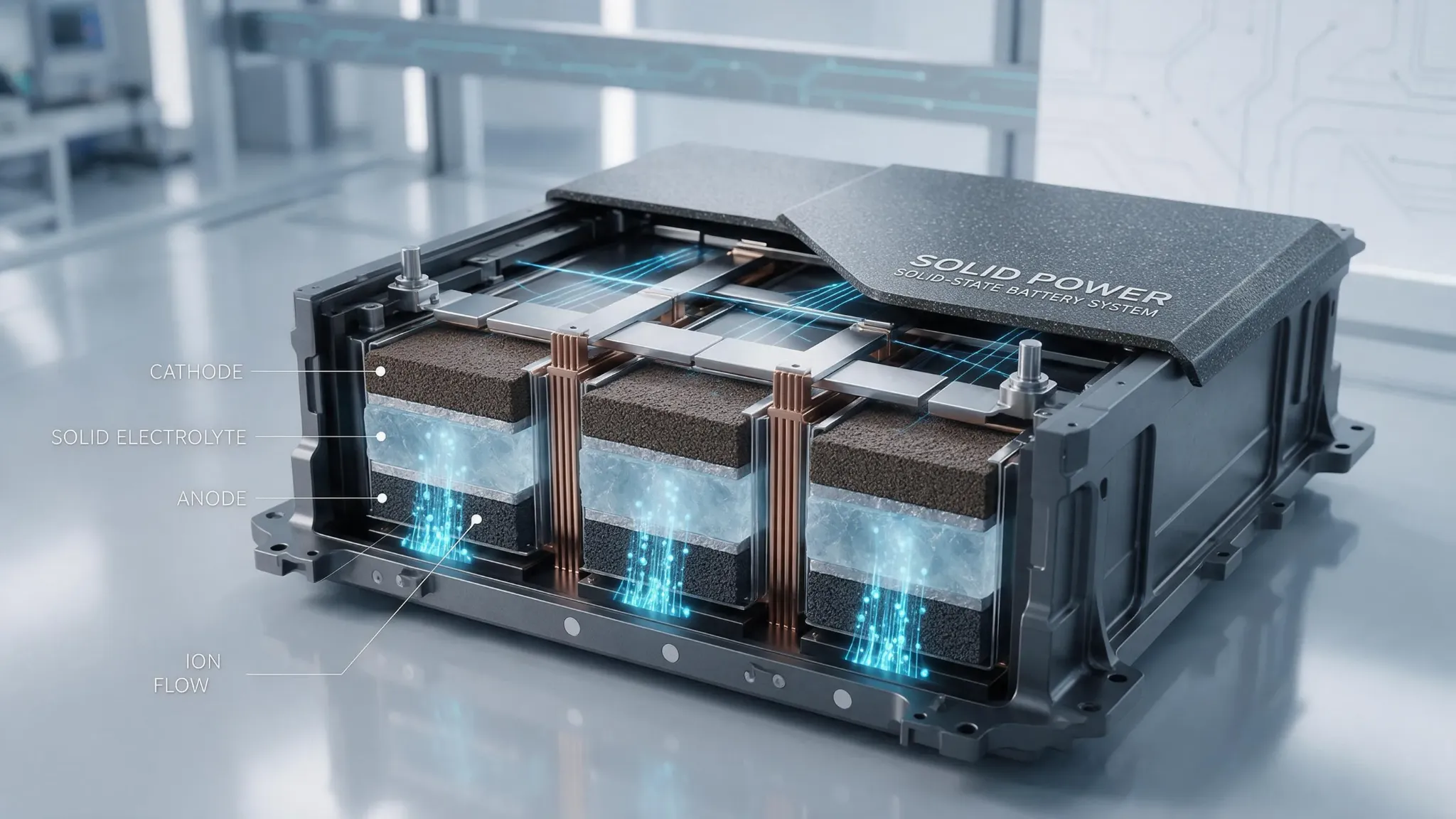
History: The Long Prehistory of Solid Electrolytes
The foundations of solid-state batteries predate modern electronics by nearly two centuries. Between 1831 and 1834, Michael Faraday discovered that certain solid materials—such as silver sulfide and lead(II) fluoride—could conduct ions, establishing the basis of solid-state ionics.
In 1897, British physicist J.J. Thomson further explored conduction through solid media during gas discharge experiments at Cambridge’s Cavendish Laboratory, another conceptual step toward using solids, not just liquids, for ionic transport.
For more than a century, though, practical batteries remained firmly in the liquid-electrolyte camp: from the Voltaic pile and Daniell cell to the nickel–iron and, eventually, lithium-ion batteries that power today’s smartphones and EVs. Solid electrolytes were known, but too resistive, brittle, or difficult to manufacture for mainstream use.
Comments
No comments yet. Be the first to comment.